ChasingCoral
Member
- First Name
- Mark
- Joined
- Jan 7, 2026
- Threads
- 5
- Messages
- 19
- Reaction score
- 17
- Location
- Silver Spring, MD
- Vehicles
- 2021 Mustang Mach E, 2022 F-150 Lightning

- Thread starter
- #1
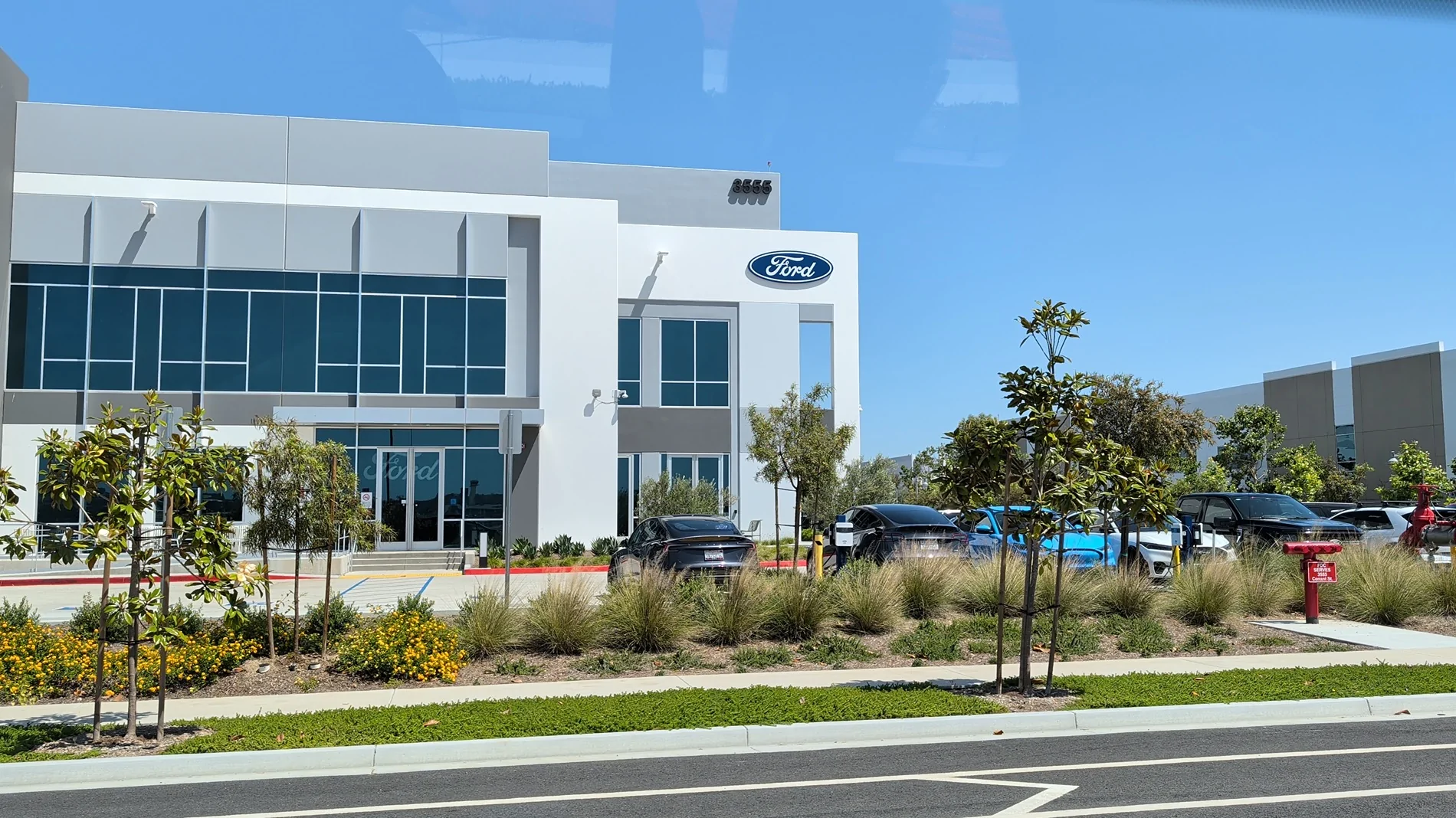
Last week I was one of a select group of Mach E and Lightning owners who Ford brought in to see the Electrical Vehicle Development Center (aka EVDC, aka Skunkworks). I’ll roughly follow the same order as the chapters in @The Electric Duo's YouTube video found here:
For those who haven’t seen them yet, two videos from the last couple of months provide real insight into the philosophy of the UEVP and I recommend them for your viewing:
The Bounty Hunters (14 minutes) describes how the team at EVDC is working to chase down any and all efficiencies in the new vehicles.
This interview (86 minutes) of Alan Clarke by Motor Trend provides amazing insights into where the UEVP and Ford are heading.
00:00 Introduction: Our Secret Trip to Ford's EVDC
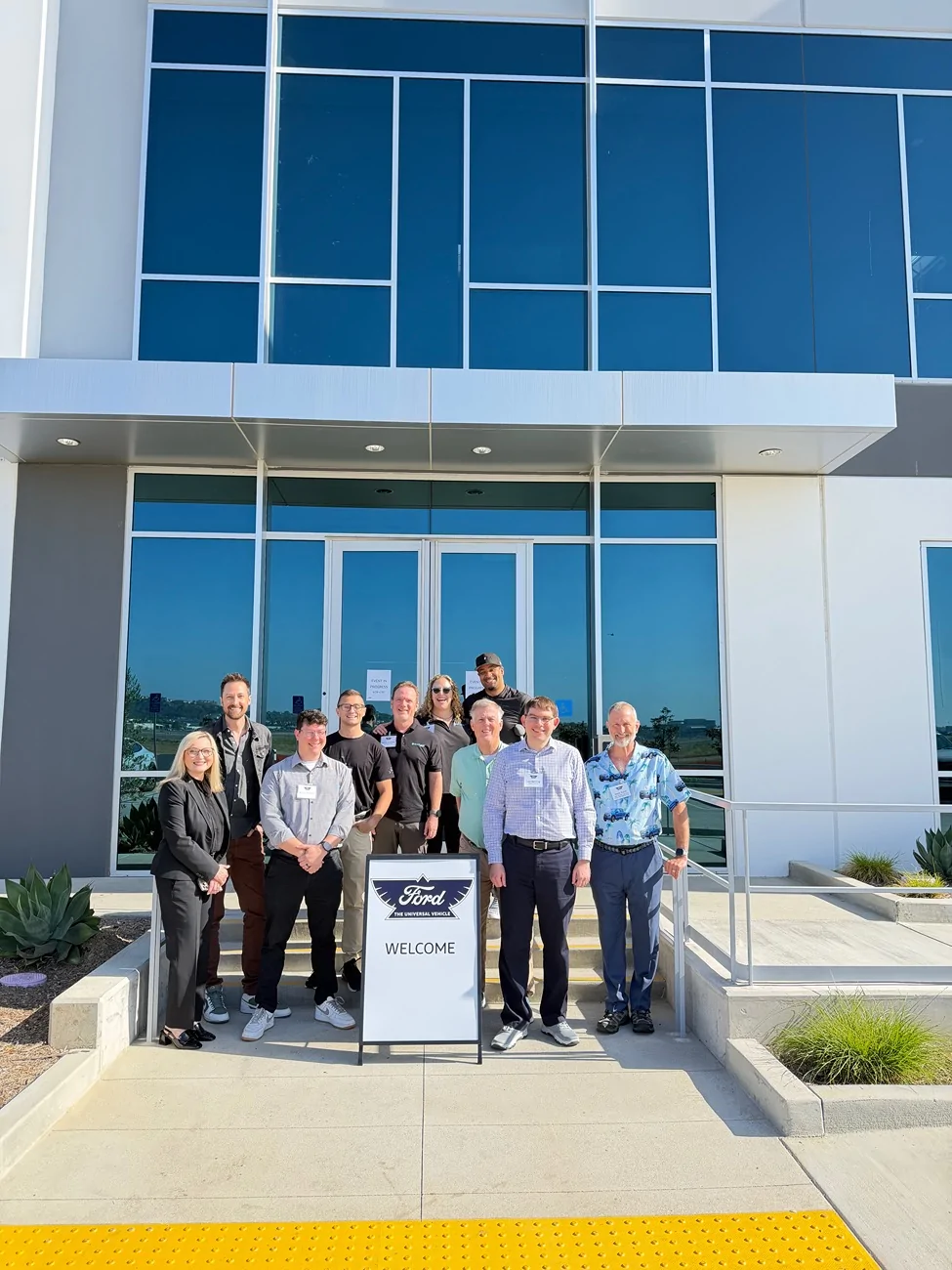
Several folks from the MachE Forum and F150 Lightning Forum were there (@Mach-Lee, @Kamuelaflyer, @jacecraftmiller, @Liv, @The Electric Duo, and me @ChasingCoral).
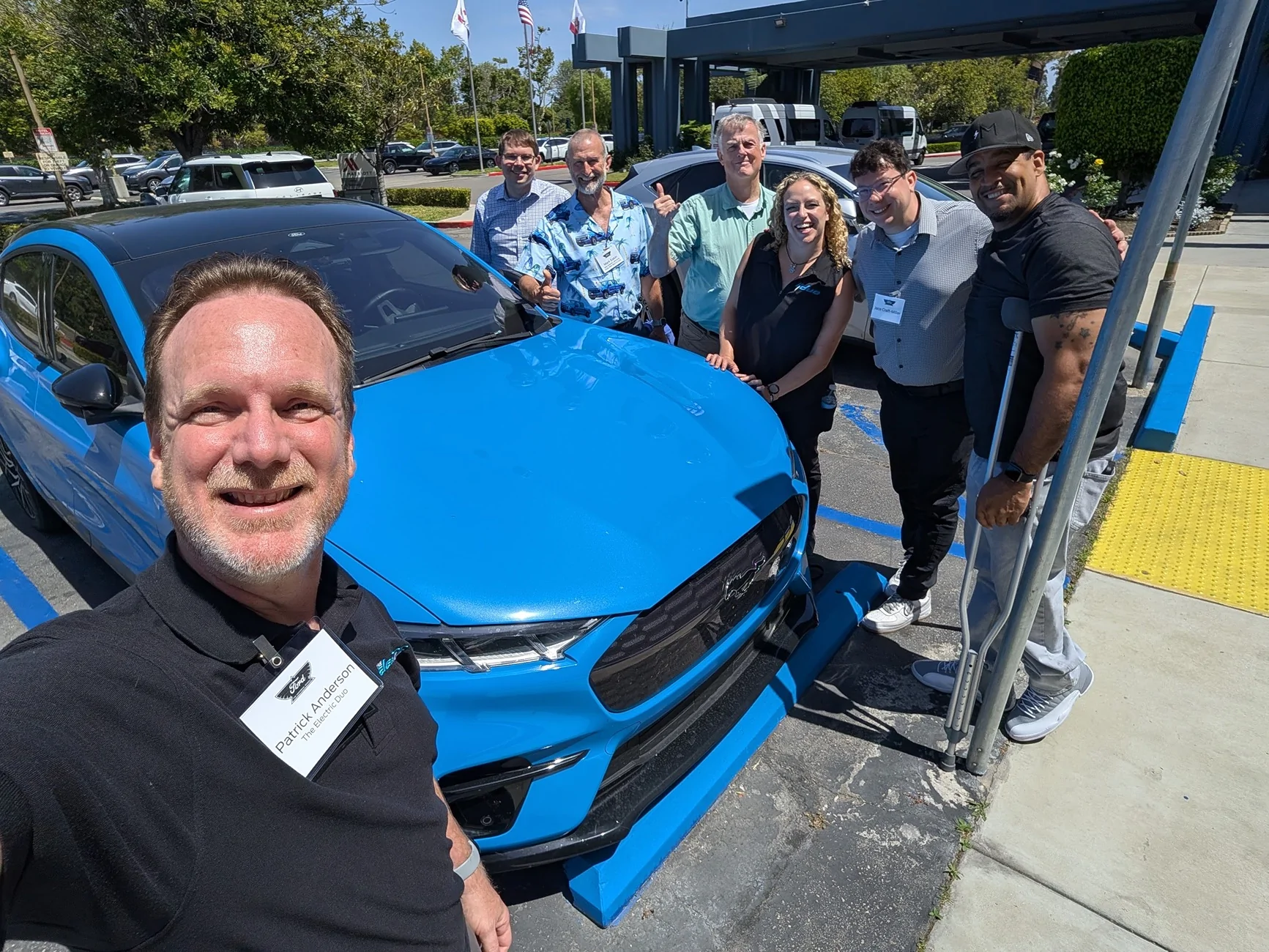
After our tour Wednesday morning April 29, there was a similarly-sized tour for select dealers. Thursday there were tours for select journalists. I’m sure you’ll be seeing posts and articles coming from the journalists. Everything was under embargo until 09:00 ET on Cinco de Mayo.
00:50 The "No Cameras" Rules
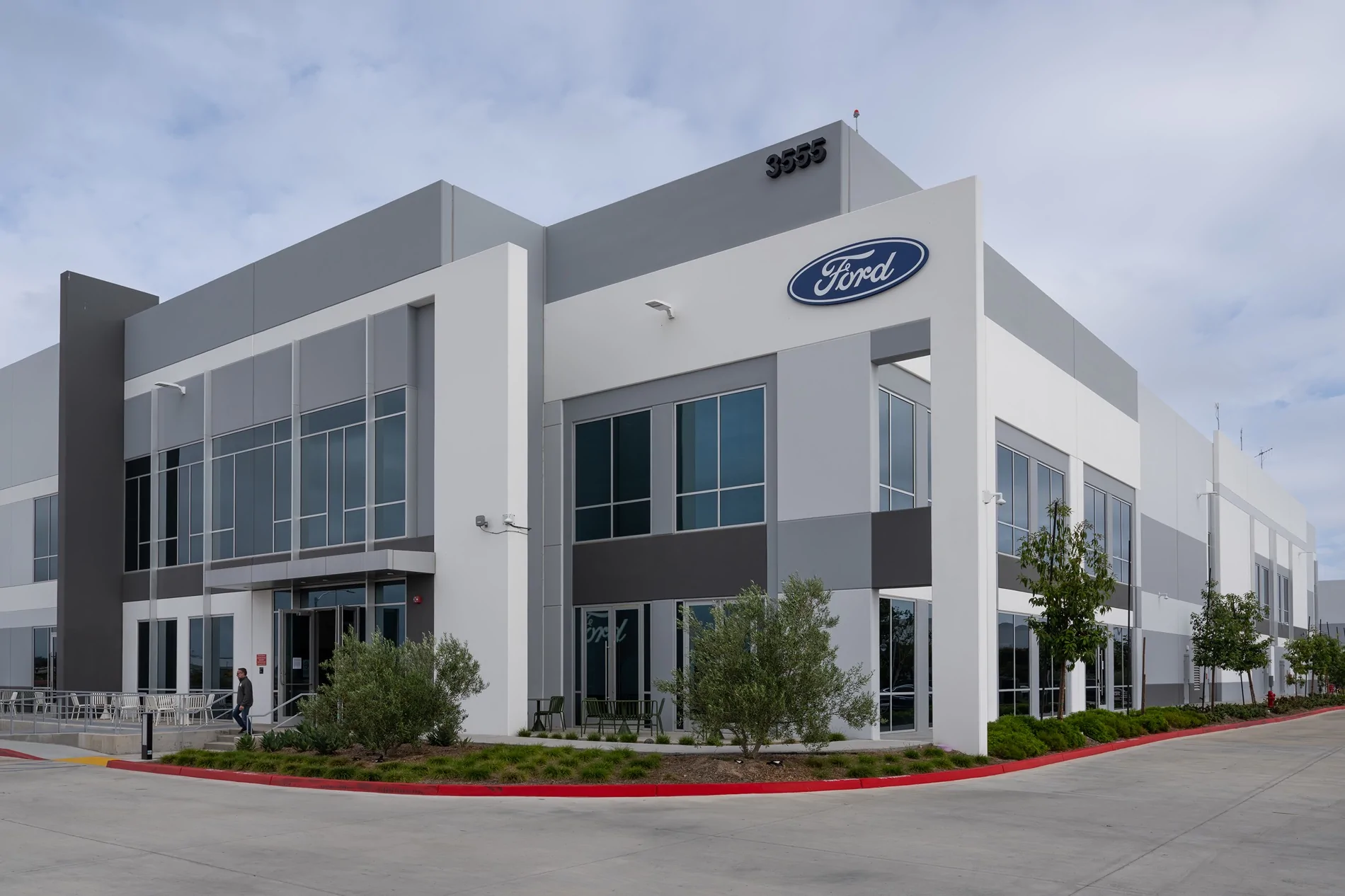
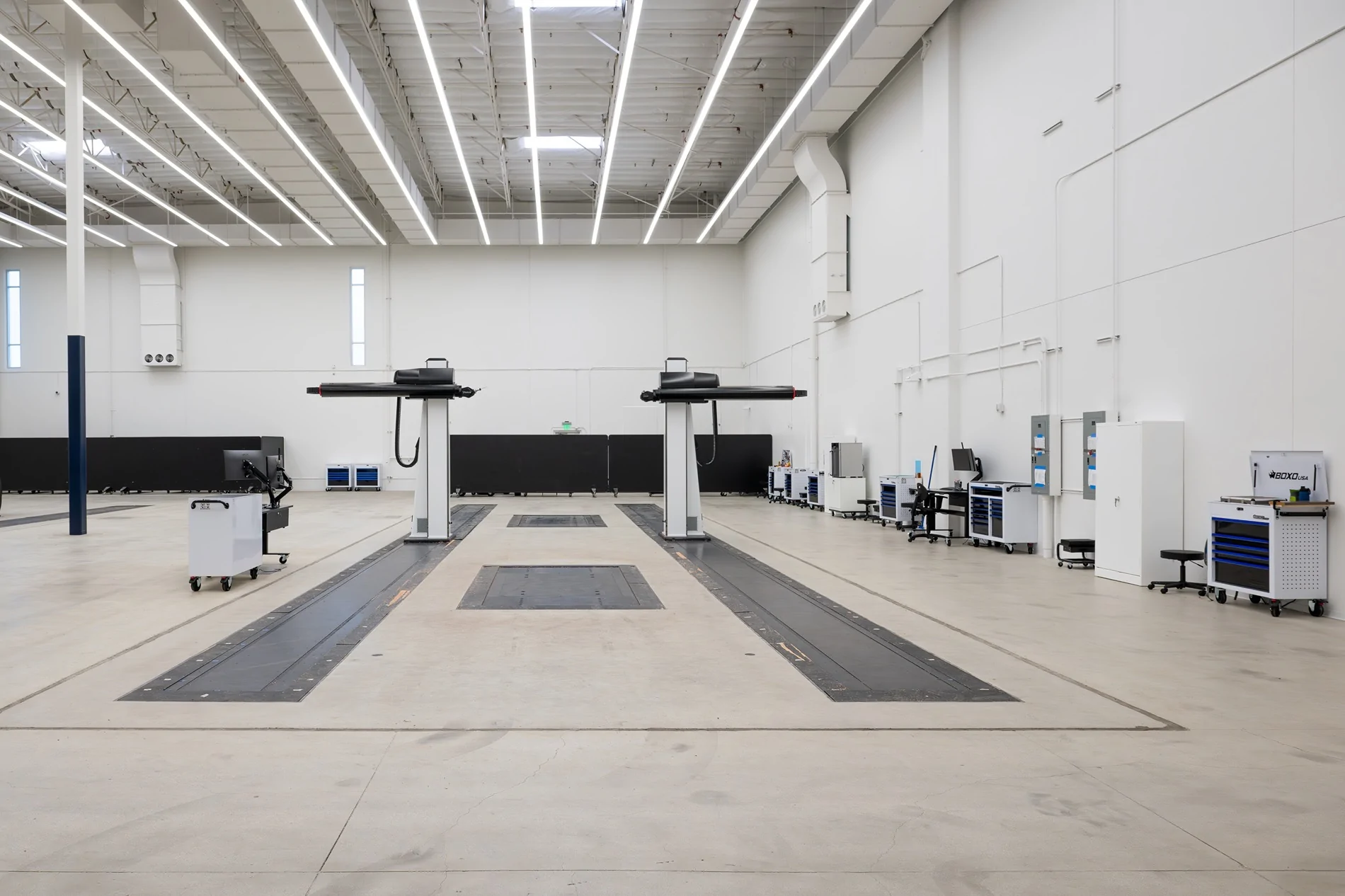
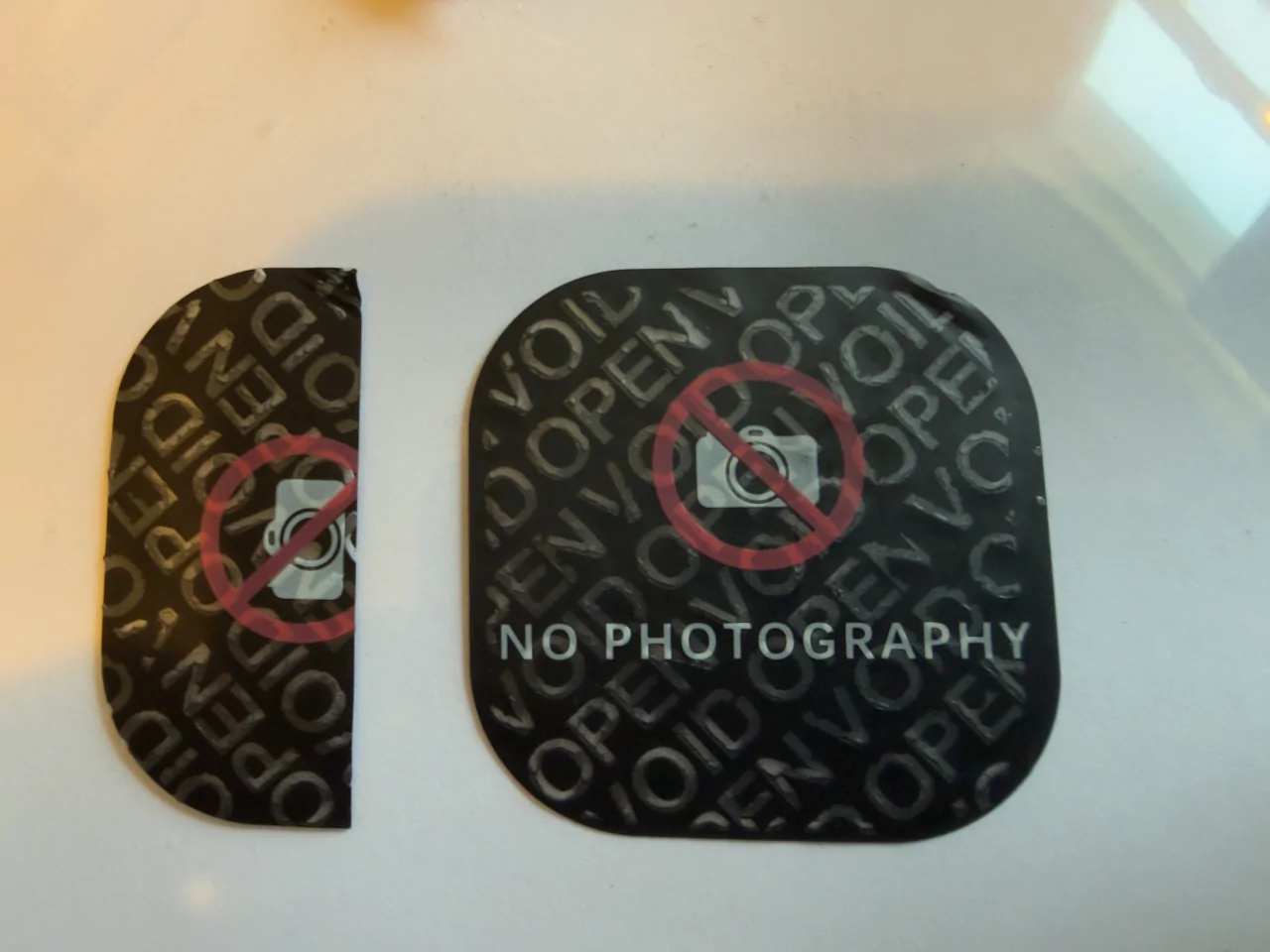
We weren’t allowed to photograph or film anything within the facility, so all photos and videos you will see were either provided by Ford or outside of the two EVDC buildings. Everyone was itching to pull out their cameras. Folks took a number of “air selfies” in jest. You can just imagine how much I wanted to take picture after picture!
02:21 Inside EVDC 1 & 2: Meeting the Team
The start and end of the tour provided two options to meet with Alan Clarke, Vice President, Advanced Development Projects. He provided an introduction and initial briefing for our tour and at the end answered questions. We also heard from Jolanta Coffey, Vehicle Programs Director, Universal EV Platform.
03:24 Ford’s 12 Principles: Fail Fast, Learn Fast
Right in the lobby of the EVDC were the 12 UEV Cultural Commandments adapted from the principles established at the Lockheed Skunkworks facility. Not only did Alan emphasize these at the start, we heard pieces of them over and over from the rest of the team. More importantly, we saw them in action. The key point is for the EVDC to contain all the people, tools, and processes to fully develop the Universal EV Platform and its vehicles. Fighting silos, making everything your job, rapid integration, and failing fast were repeated over and over. There’s no passing the buck in this place – only finding answers.
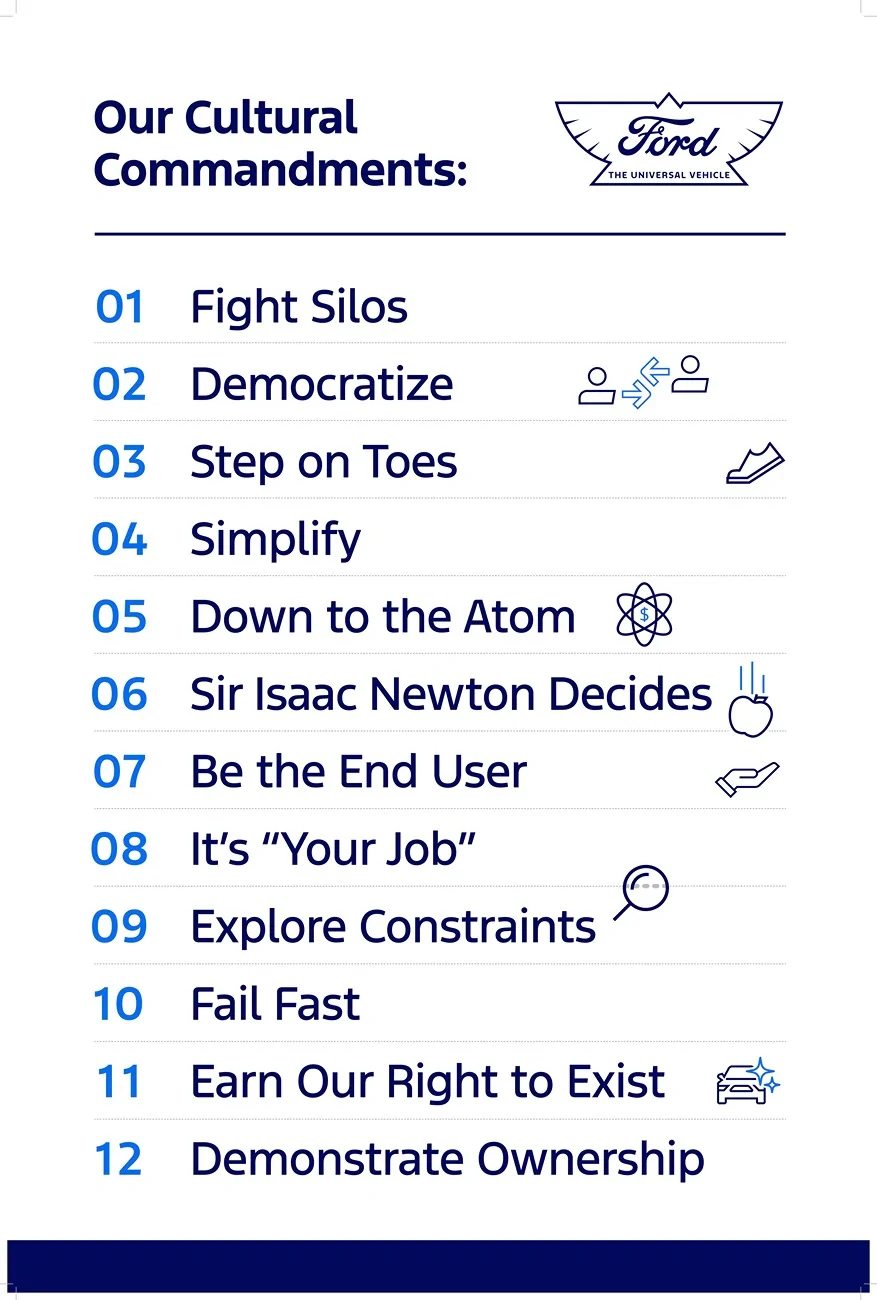
Other key nuggets we heard over and over included “The best part is no part” and “The second best part is one that does multiple jobs”. Ford has gone a long way to implement ideas we had heard about recently, including patents for "vehicle chassis with interchangeable performance packages" and the “E-box”. If recent shakeups at the top of Ford raised any concerns Ford is backing away from EVs, this facility makes it clear that is not the case. More on this later.
06:11 Collaboration & Visualization Spaces
Offices here are open-space. Workstations run almost wall-to-wall. Fortunately, they did think to include conference facilities and non-reservable quiet spaces where anyone could go if they need to work in isolation. Folks were working together as we wandered past.
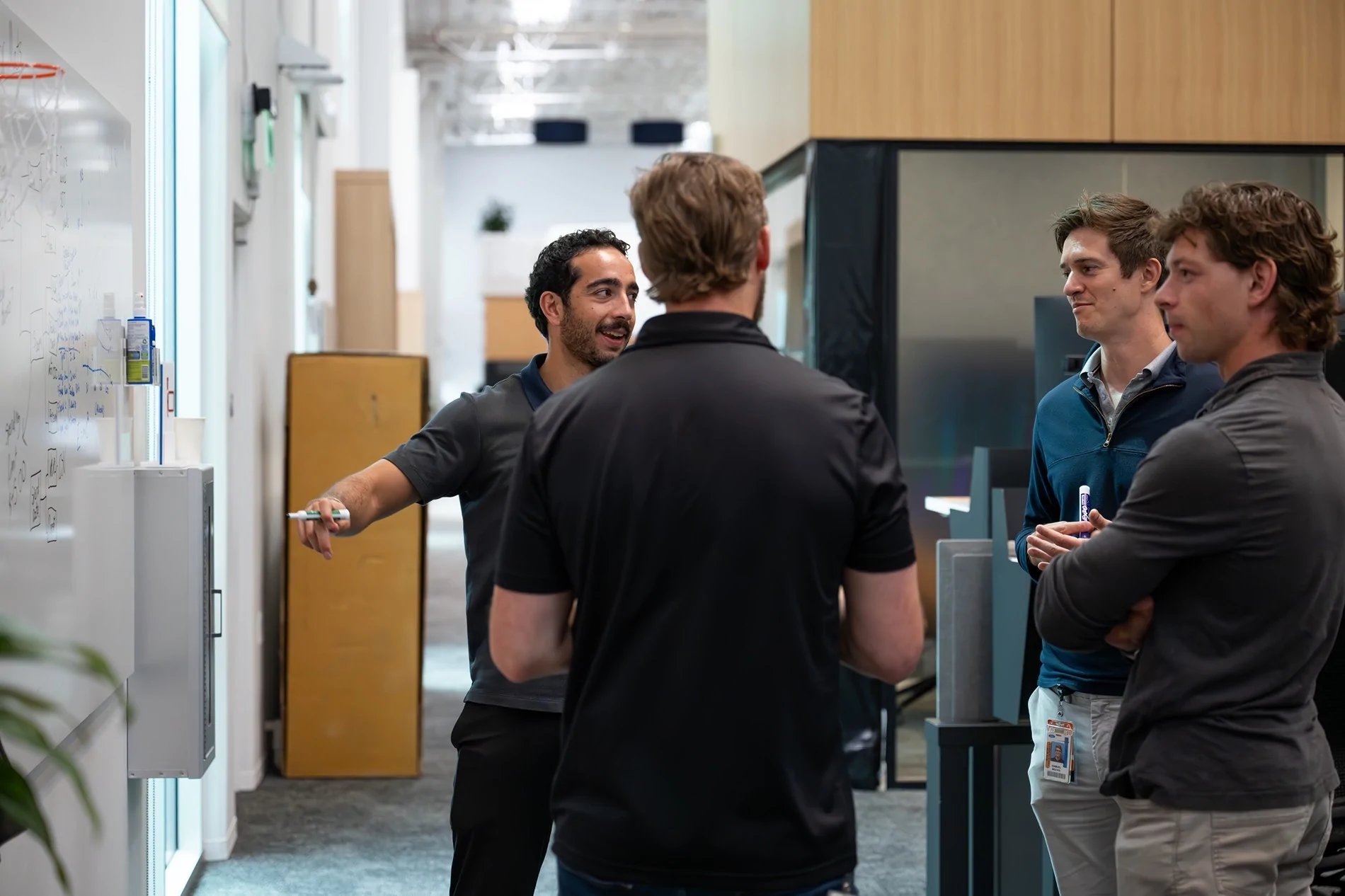
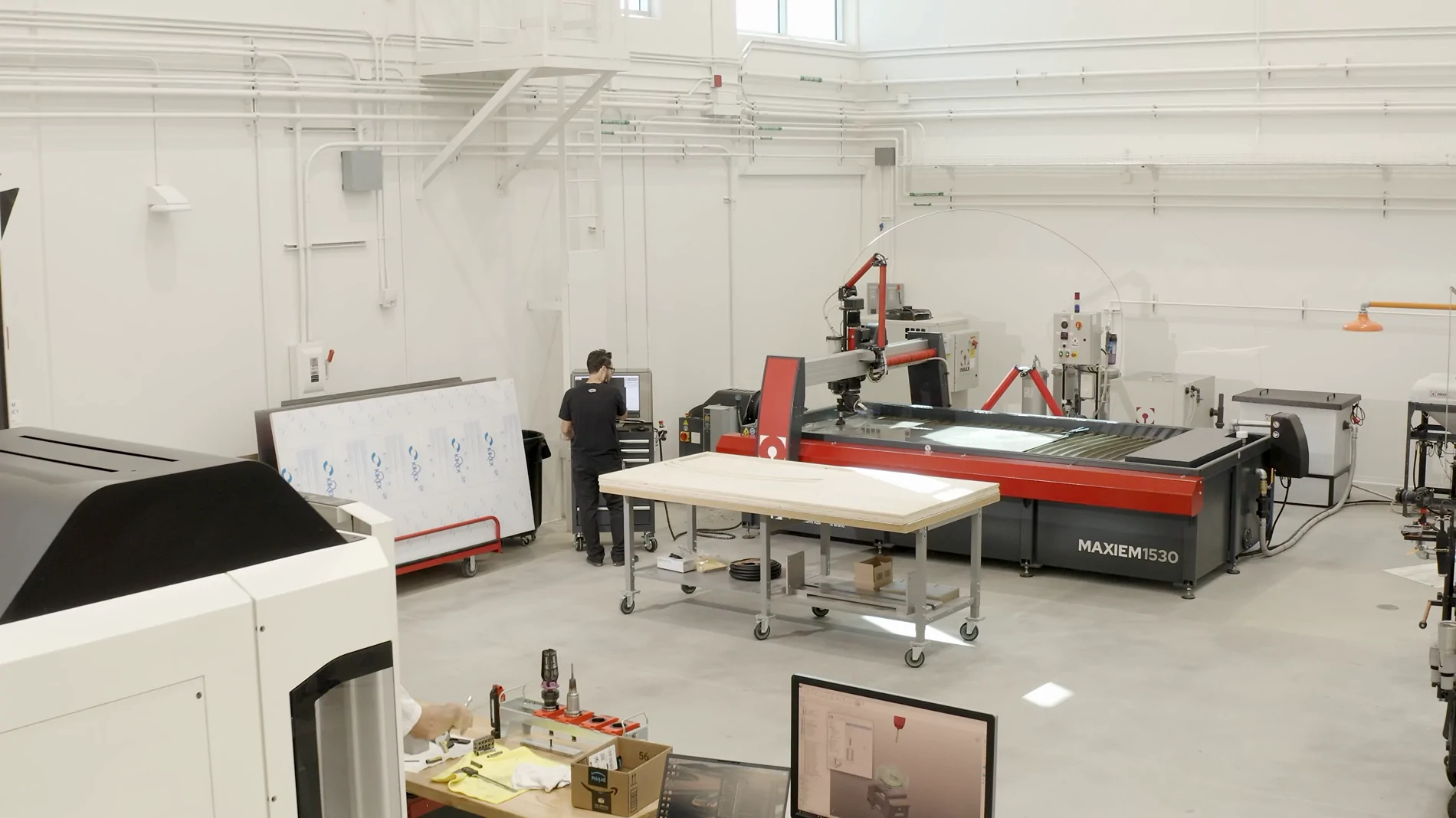
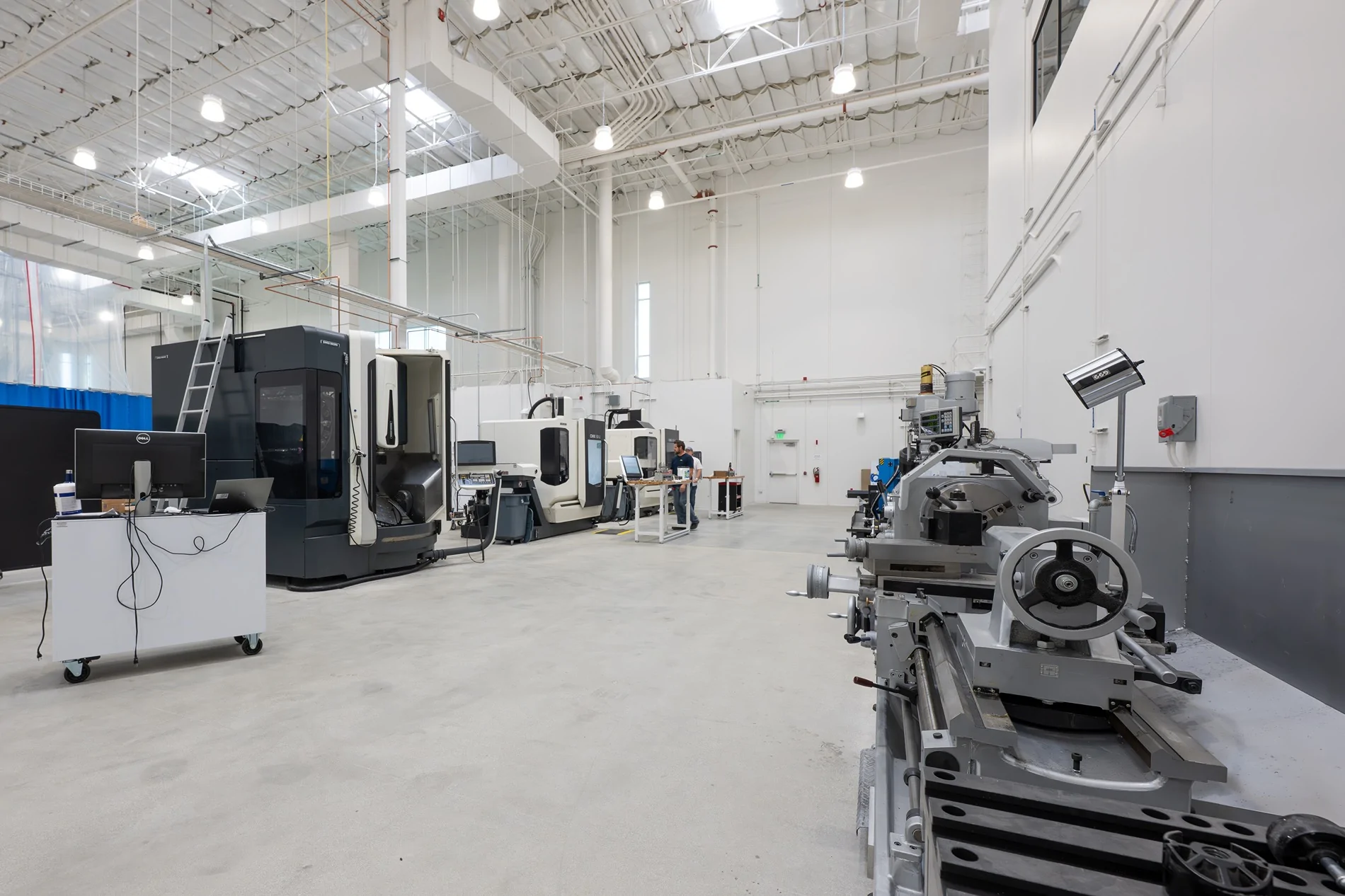
Workstations were directly connected to assets. Designers could immediately produce anything from small 3D printed parts to fabrications of unicasting prototypes.
07:32 The Assembly Tree: A Revolution in Production
11:05 Designed for Repair: Rivets over Welding
When we walked into the design studio we were met with large unicast vehicle components, some covered with installed components. Here Kevin Young, Advanced Manufacturing Program Chief, and Vladimir Bogachuk, Chief Engineer of Advanced Vehicle Structure Architecture walked us through the assembly tree Ford will use for the UEVP vehicles. Assembly of the body will occur on one branch of the line, assembly of the floor with battery pack and seating on another, and assembly of the dash and major electrical components on the front firewall on the third branch. The assembly tree is where one of the huge changes to the entire production approach will occur. Kevin had just returned from a trip to oversee the development of the prototype assembly line in Dearborn and the construction of the new UEVP production line in Louisville (former Escape line). Look for production in about a year for the first product. About 100 prototypes of the UEV truck are being produced now.
Screens and controls can be mounted on the dash without bending and leaning into the vehicle. At the same time, major electrical components and the cooling system can be installed on the other side of the firewall.
Seating assemblies are no longer limited by what can be lifted through a door or dropped in through a sunroof. They can be installed atop the battery pack, which is then attached to the body. If Ford builds four vehicles with the same central battery and seat system, they can be married to the rear bed / hatchback body / sport coupe body, etc.
Once all three sections are finished, they are married together.
Of course, with unicastings come concerns over repairability. Vladimir discussed how they are designing replacement components that will speed repair. Parts of the casting can be cut off and glued in (not welded!). They are working with major repair shop partners to test the ability to repair systems and then other labs in the EVDC test these to make sure they meet strength and safety requirements.
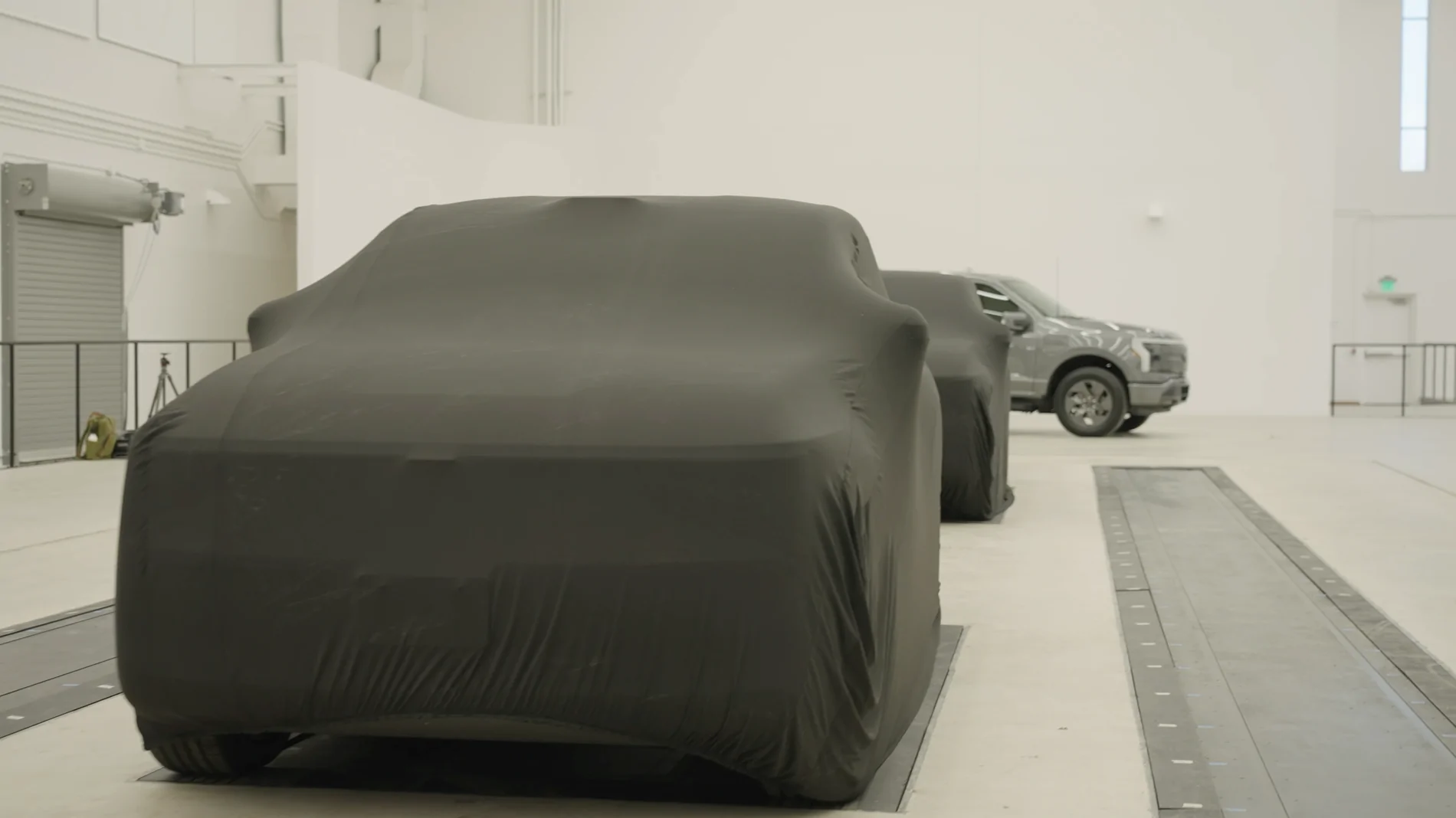
13:36 The Secret Warehouse: Seeing Covered Vehicles
15:32 Speculation: Analyzing the Truck’s B-Roll
While we were told we would not be seeing or discussing any products, we saw the body segment (partially draped), multiple product models (fully draped and partially concealed with boxes to hide lines),
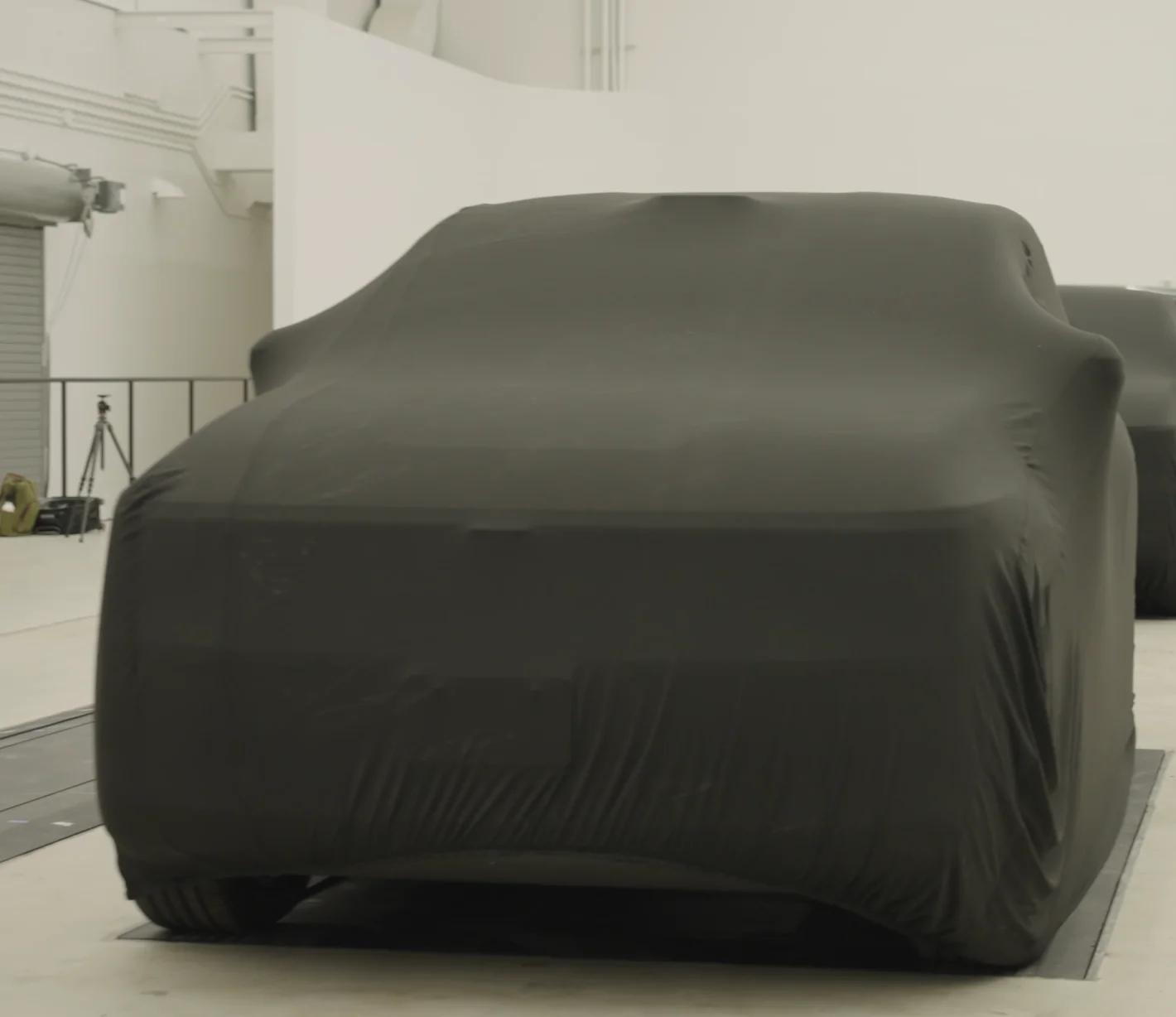
an “accidental drive-by” (see below), and a gift (see below) all point to the first vehicle on the UEVP will be an aerodynamic “Ranger” many have guessed will be called the Ranchero (no one on the tour revealed any clues on that theory). However, it will clearly take the unibody approach of the Maverick and will produce a Ranger-size pickup with a more aerodynamic shape. This is consistent with designs we’ve seen in materials Ford has dripped out over the last two years.
18:34 Component Design: "The Best Part is No Part"
21:52 Startup Culture Meets the Might of Ford
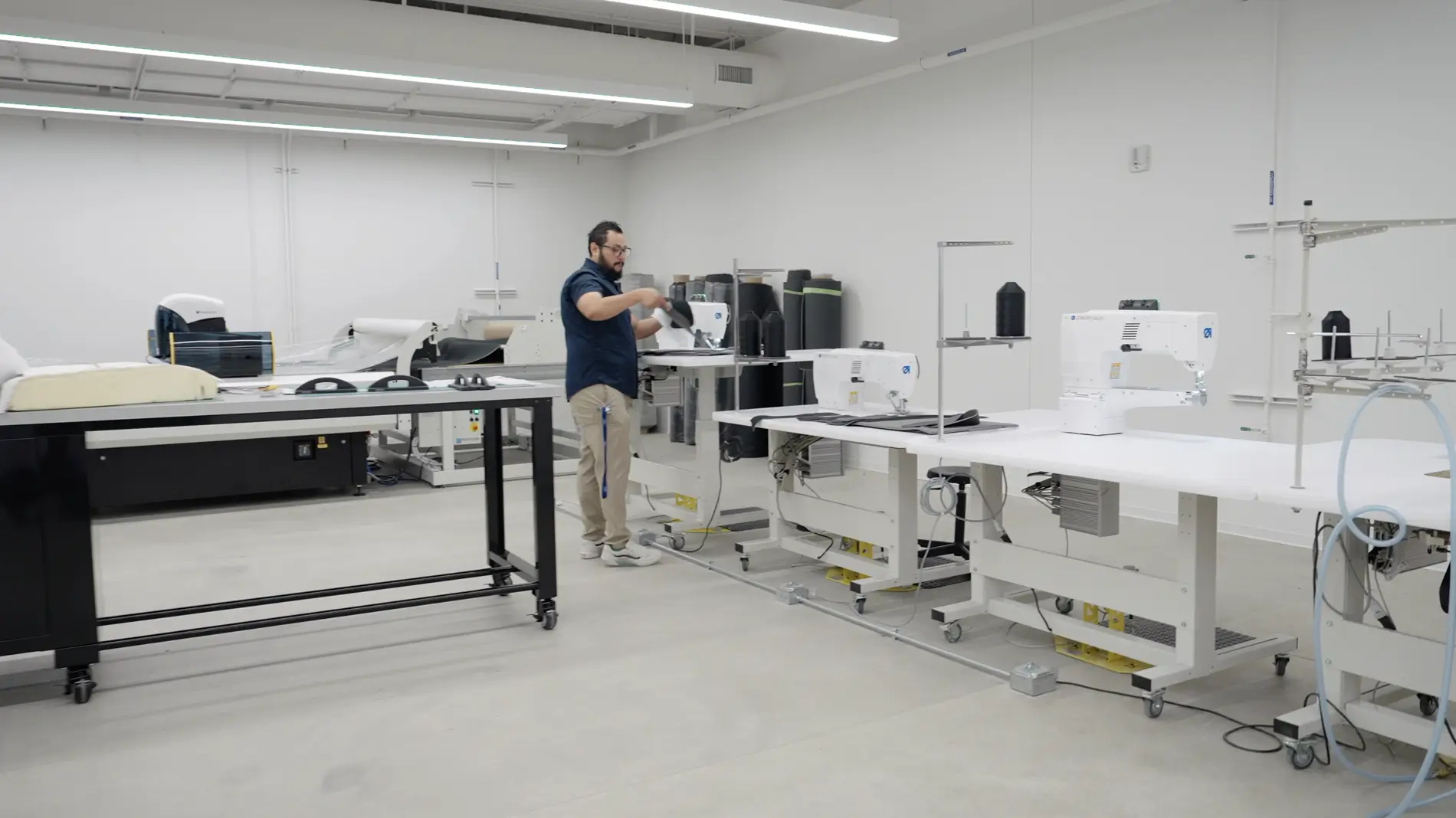
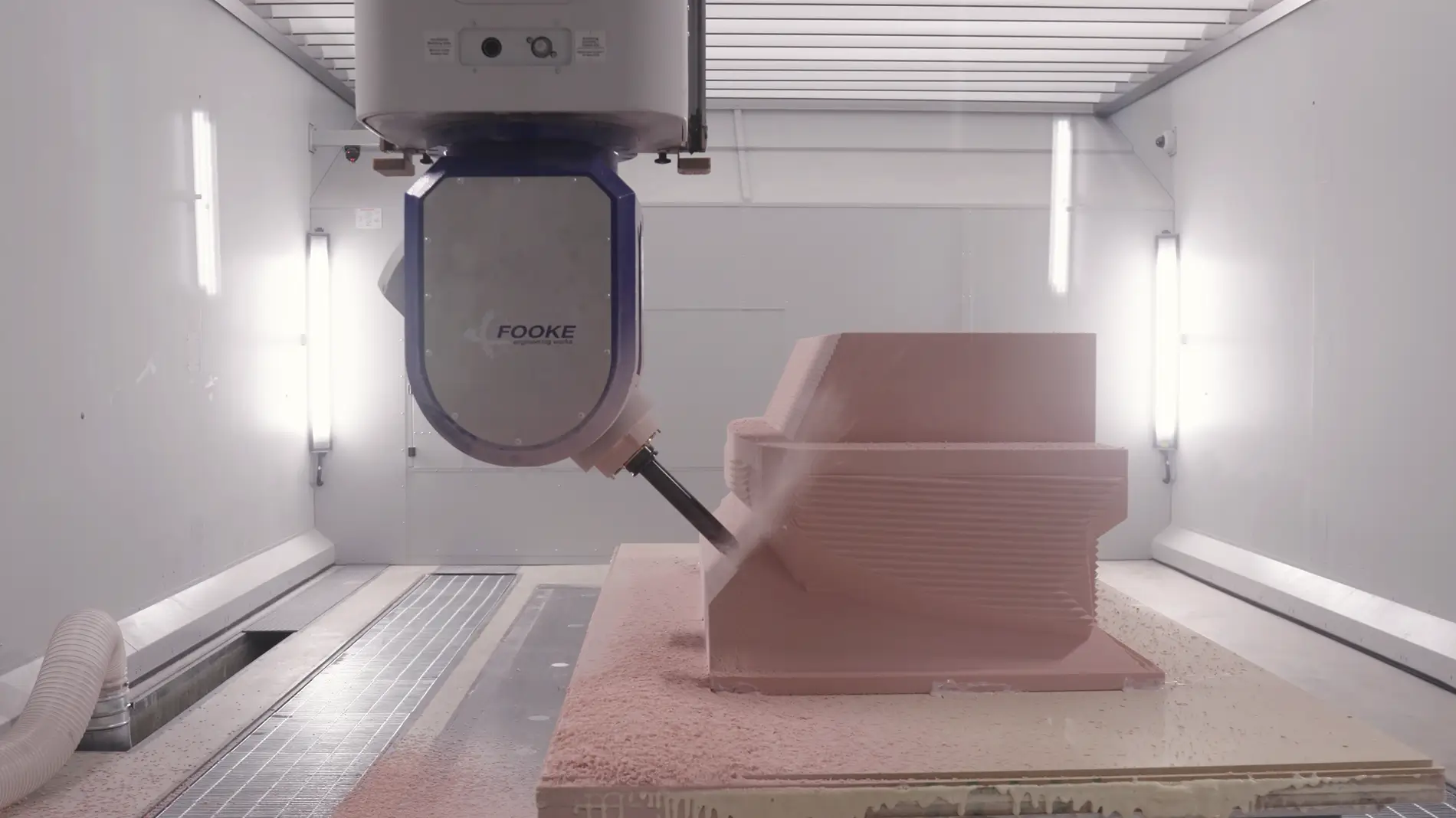
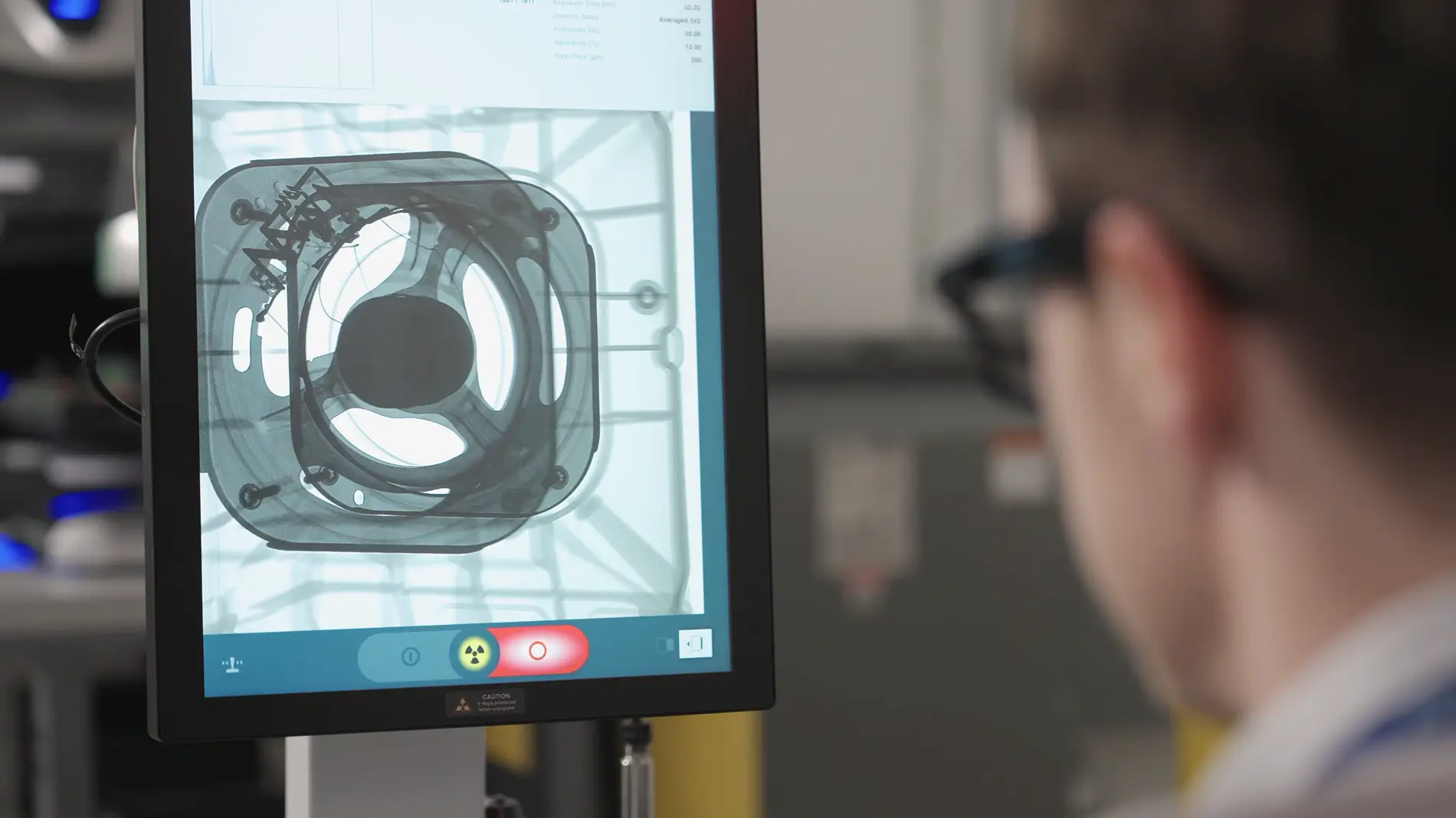
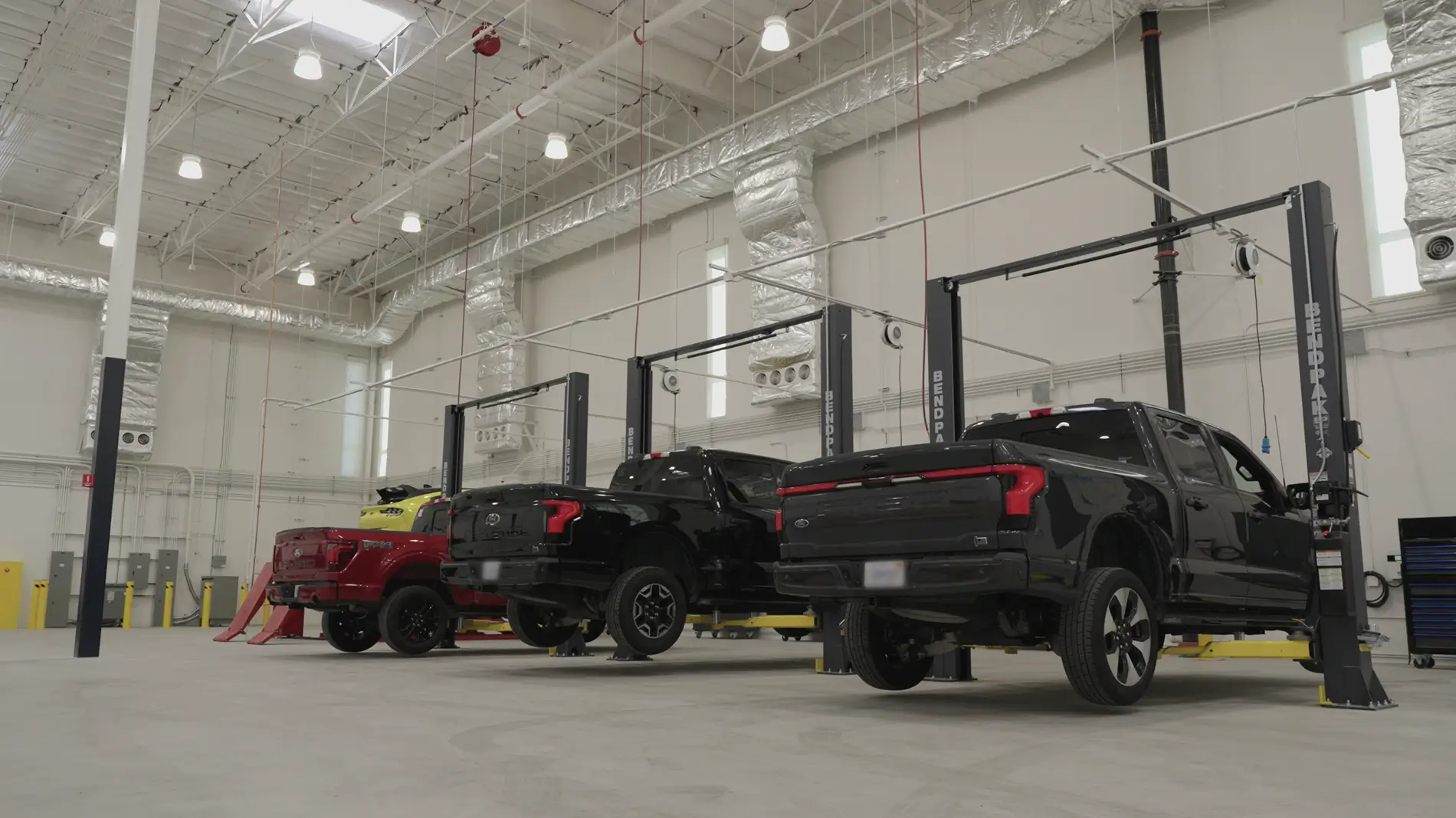
For now, I’m going to skip some of the cool details of parts fabrication and component design but will drop in a few of Ford’s images below. Importantly, by having all the various “shops” in house, means the interior, the castings, the wiring, the batteries, the electrical modules, etc. are all being prototyped, fitted, and tested together. While there are mini-silos within the facility, they are so well integrated that everything is being built and tested together. Throughout the dog and pony show of the various components, we were treated to great descriptions of each area of the facility but the entire group was limited to one or two questions in each area. While not as frustrating as not being able to photograph or film, we regularly ran out of time before questions.
24:19 The Model T Moment: History Repeating?
26:14 Prototyping Tools: From Clay to 3D Prints
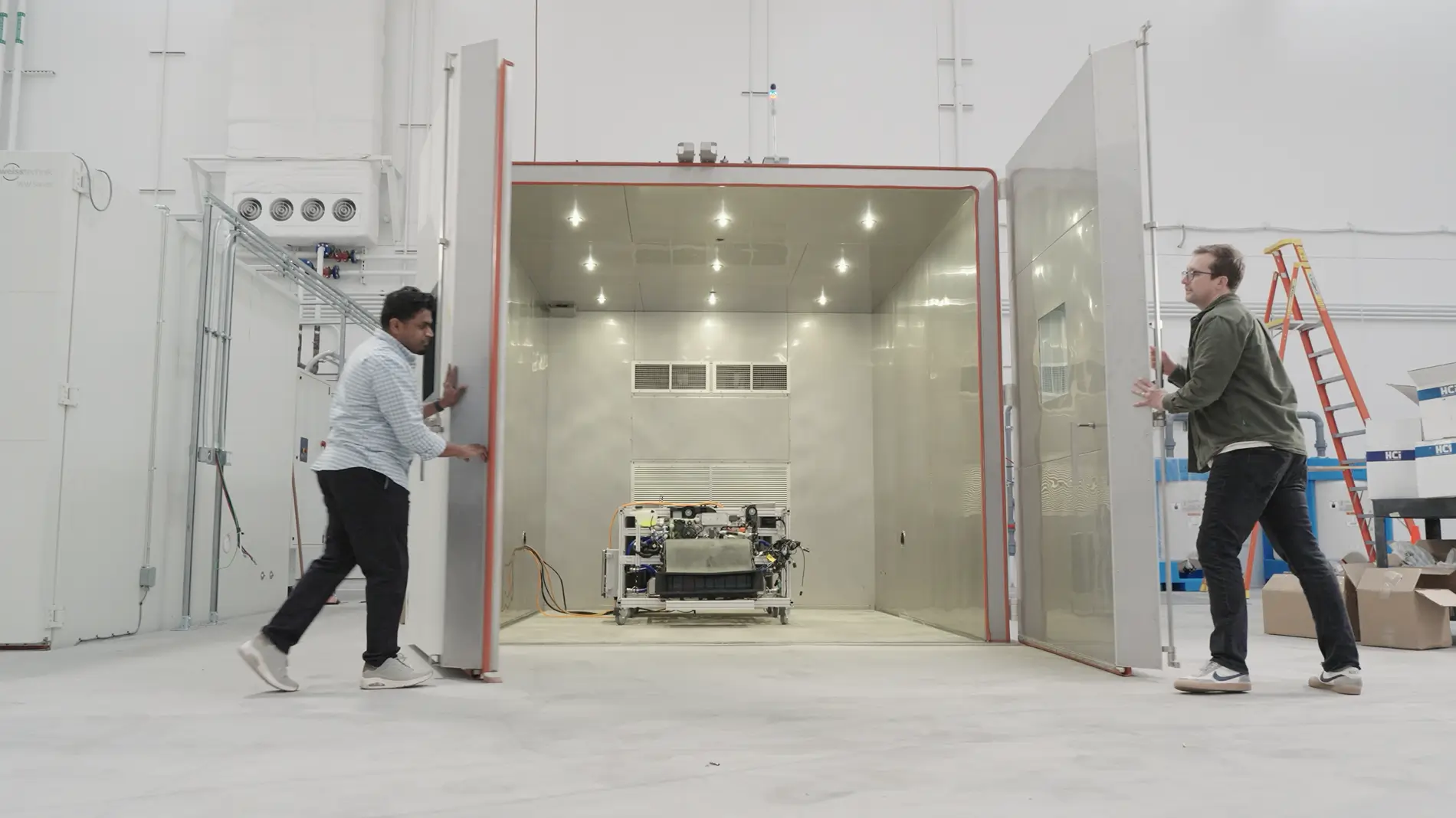
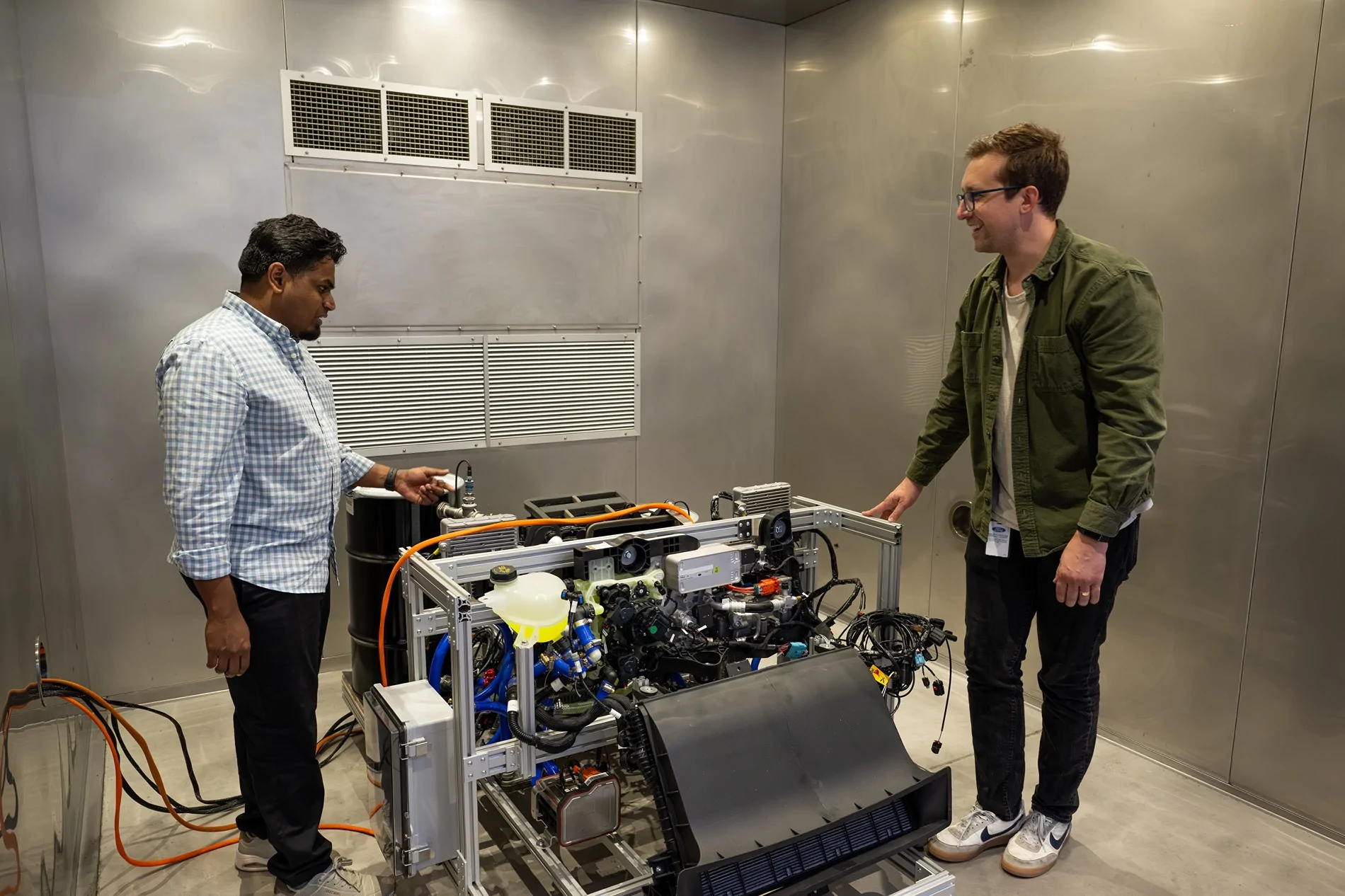
28:05 The Dyno: Simulating Extreme Conditions
31:12 Rapid Mockups: The 3-Row SUV in Plywood
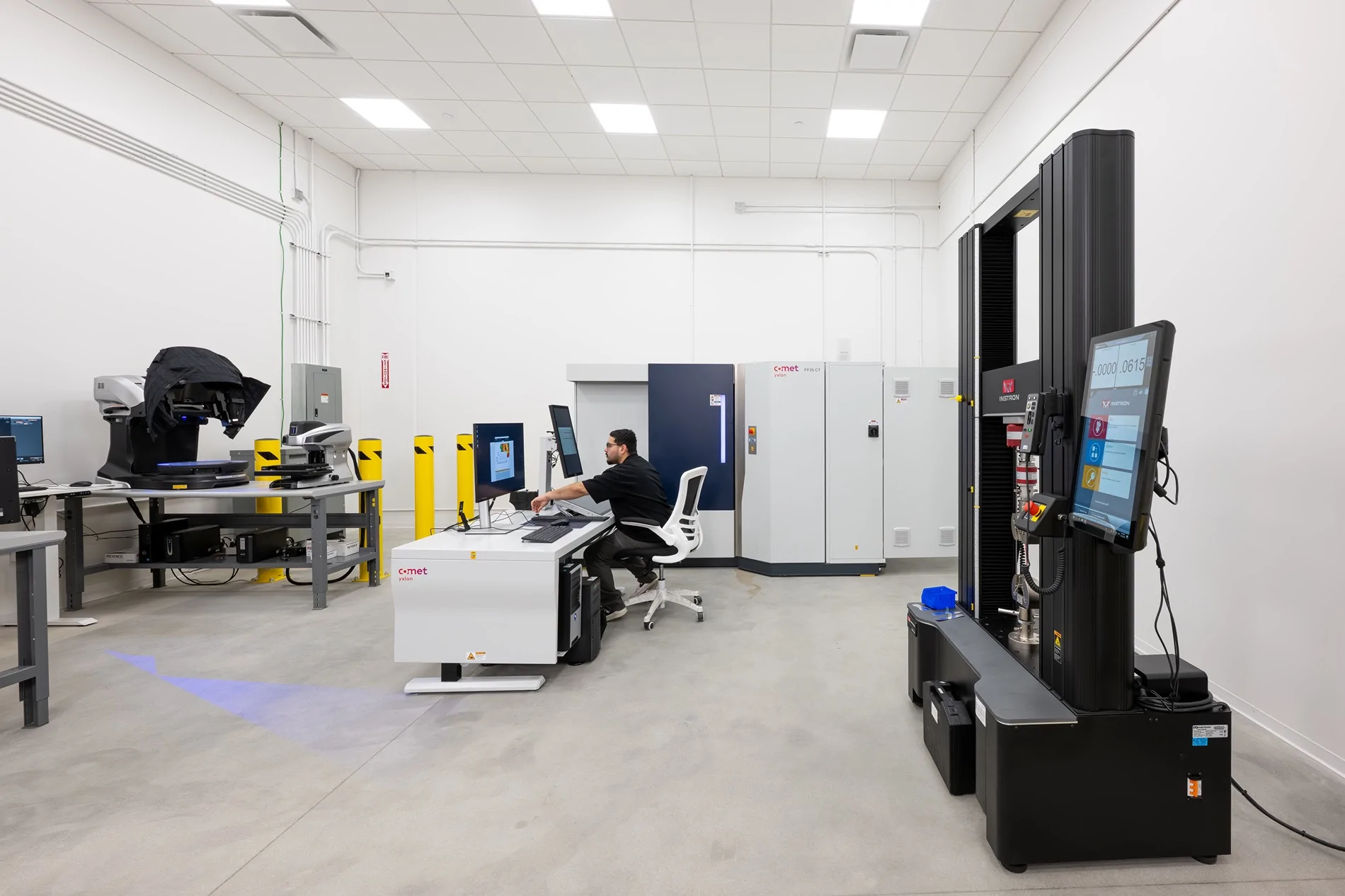
34:44 Metrology: Testing with "Six Elephants" of Strength
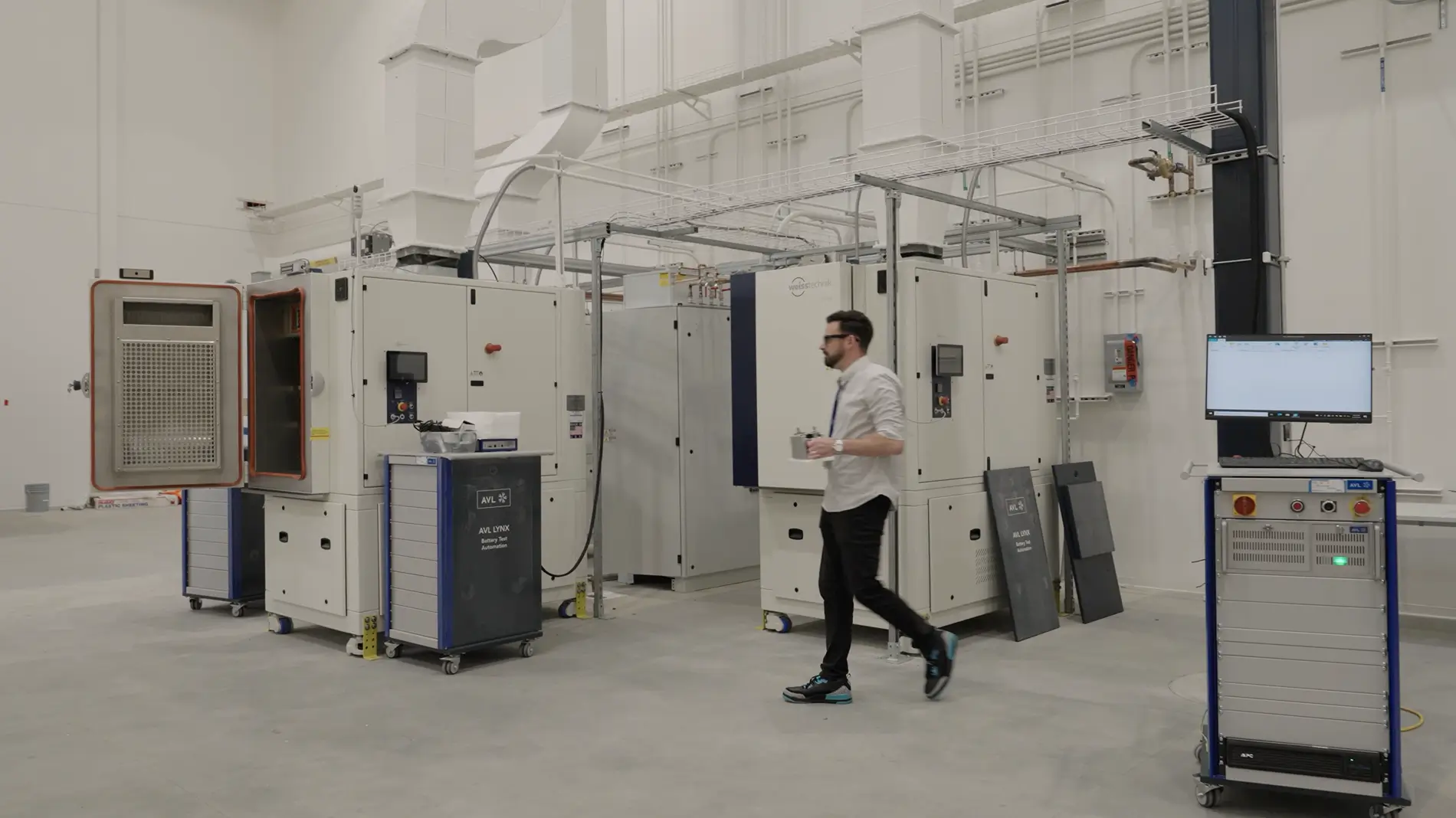
36:55 Battery Lab
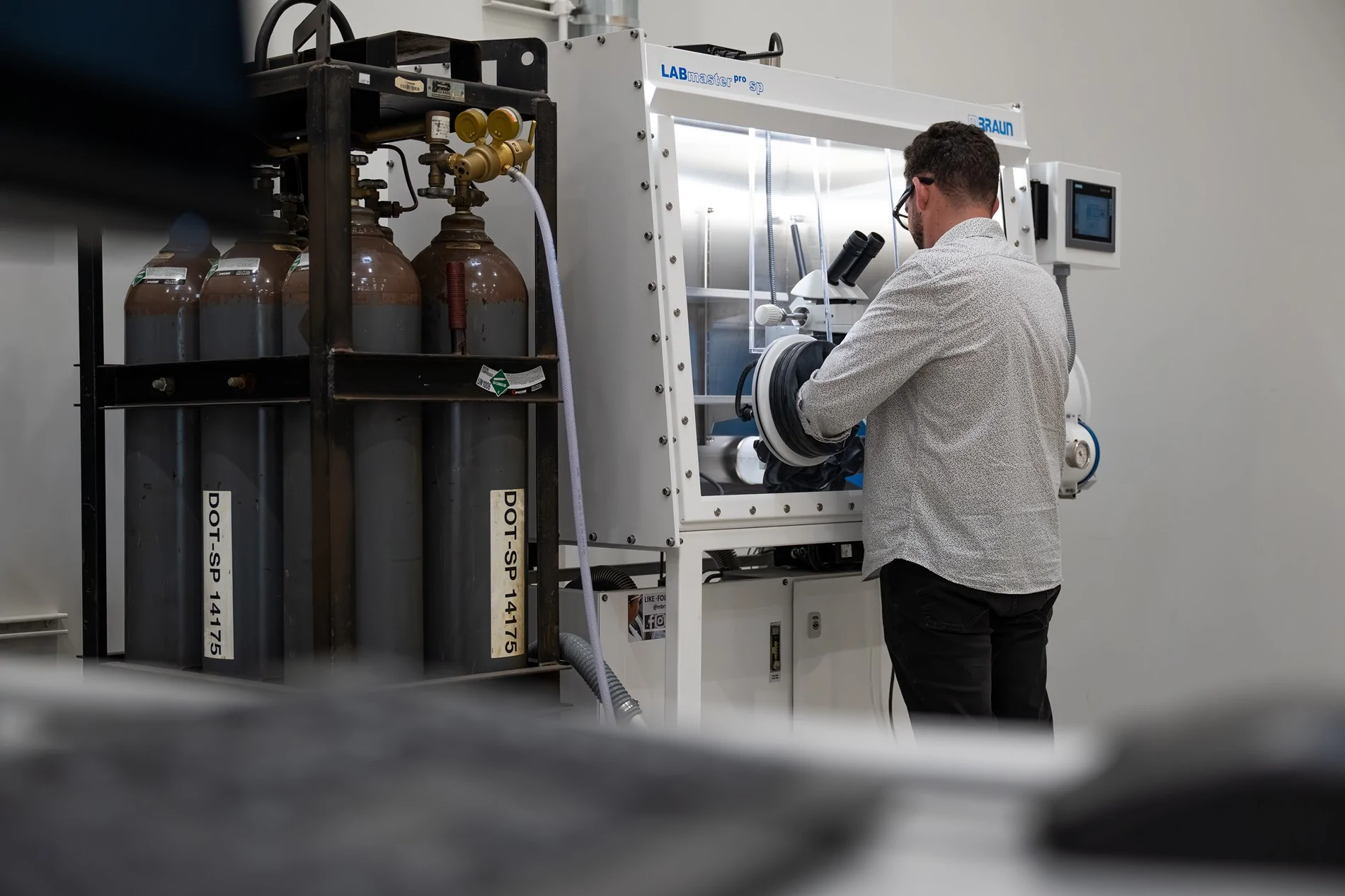
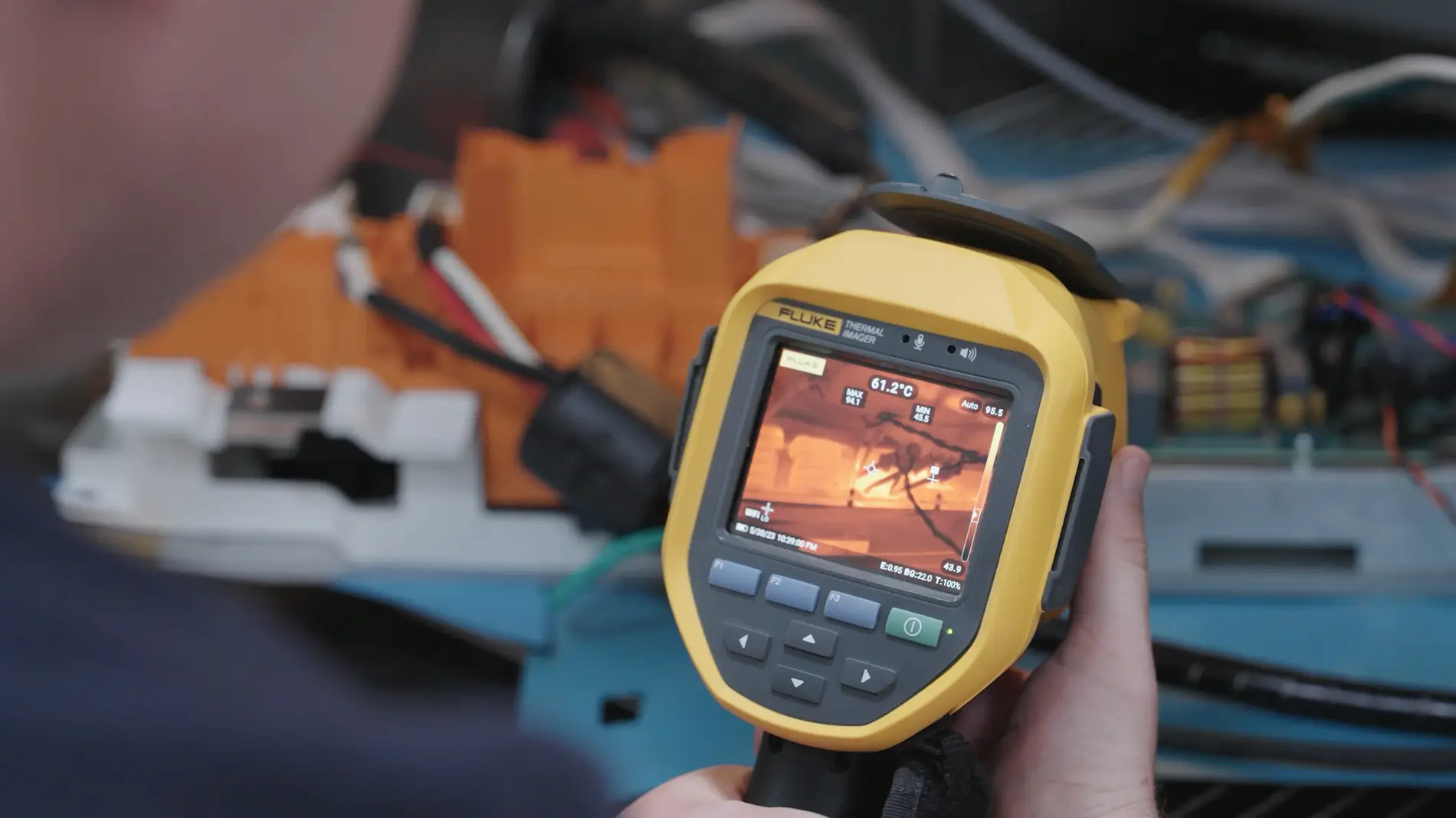
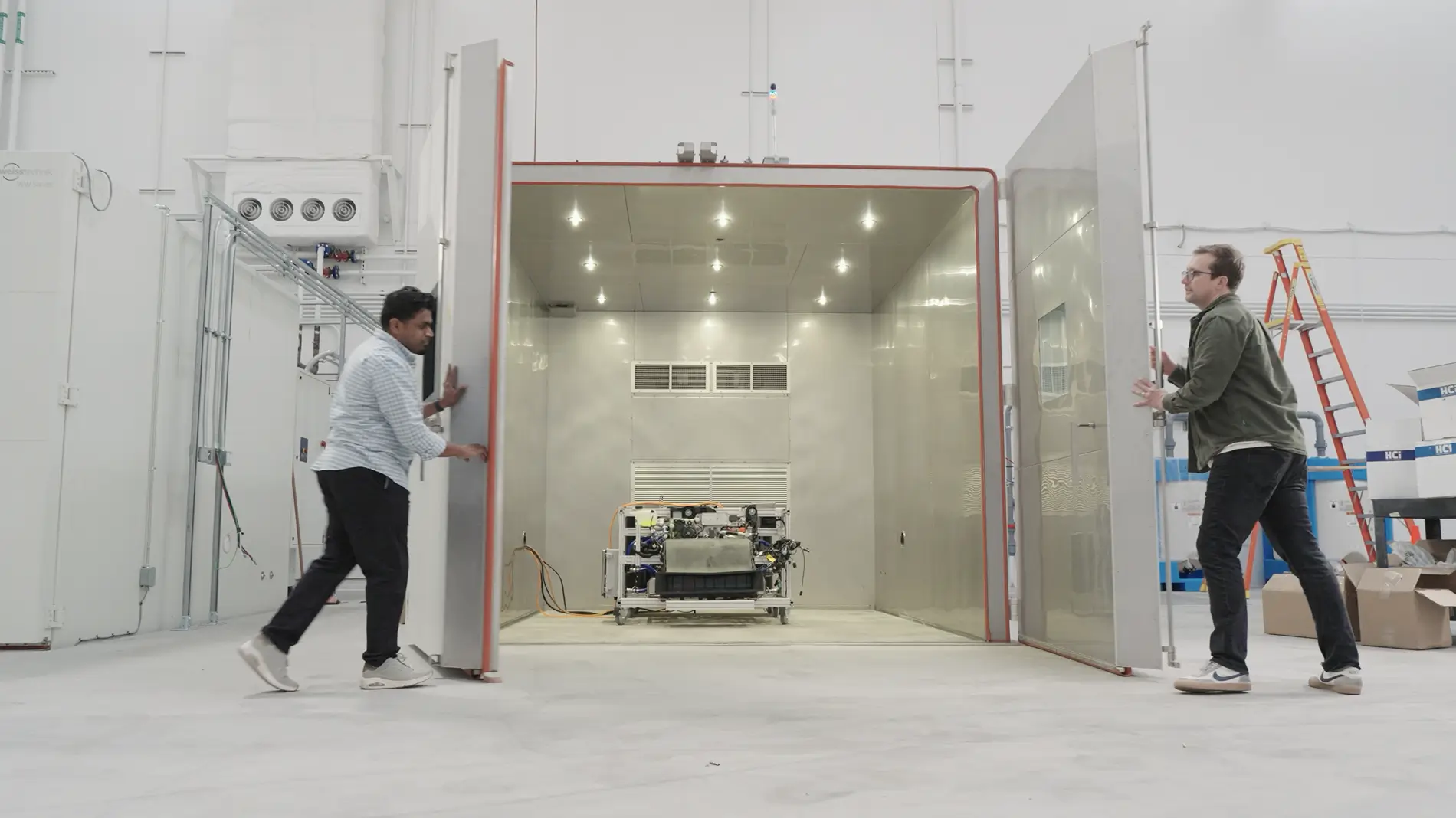
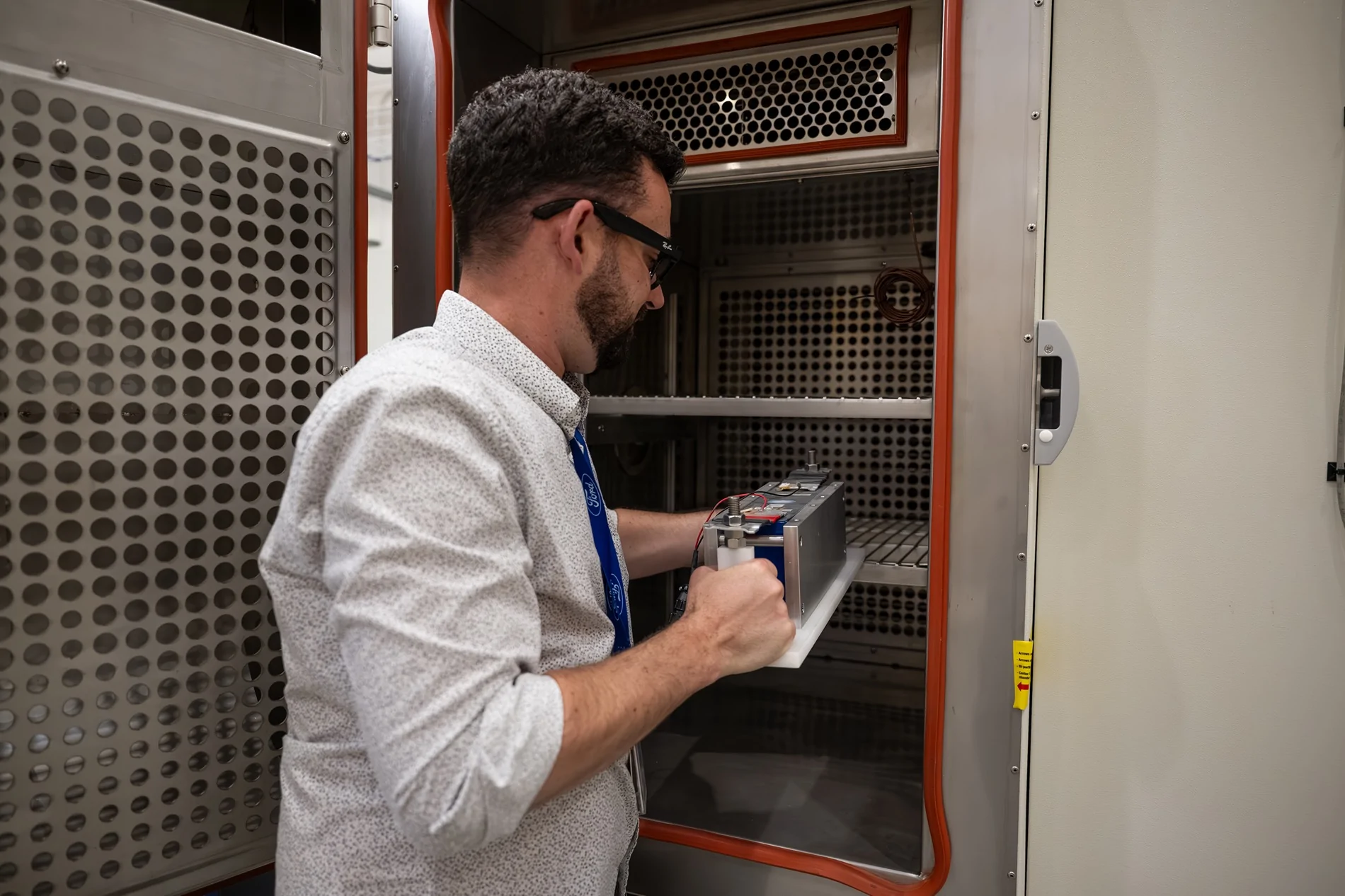
The LFP battery system is being prototyped in-house. We saw thermal testing of battery modules and an entirely new thermal test facility for full packs is still being constructed.
38:48 The Star of the Show: The eBox Explained
The “E-box” is the guts of the EV electrical control. It controls major systems, steps down voltage from 400v nominal to the 48v that will run the systems. It sits on or in the battery pack and takes power from the J-3400 charge port and controls battery charging. It sends power out to each of the four regional zonal controllers.
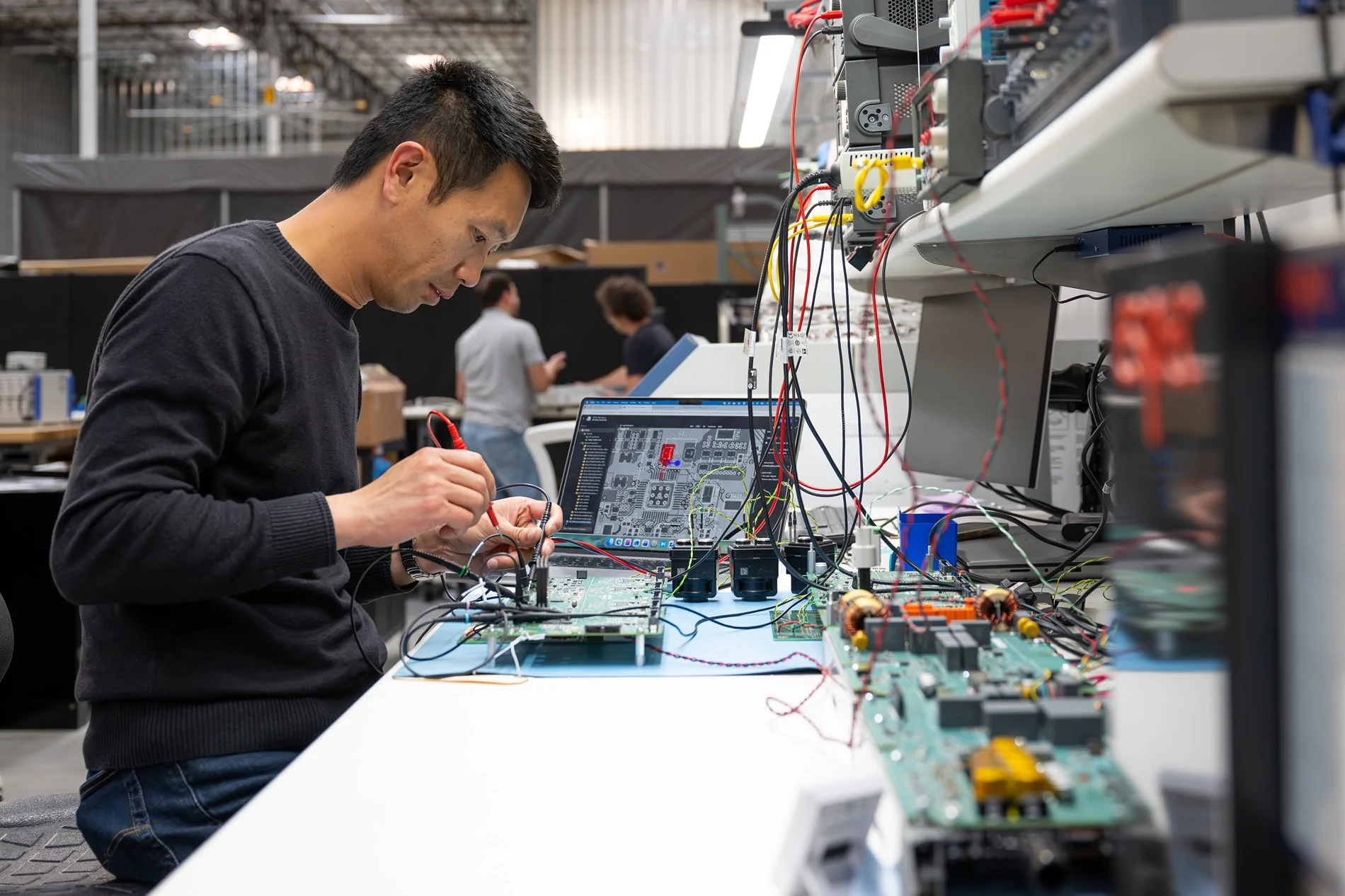
Sad news for the Ranchero: It will be saddled with the same problem most EV trucks have. The J-3400 charge port is conveniently integrated into one of the zonal controllers. Unfortunately, it’s the left-rear zonal controller. That means charging while towing a trailer will be a pain. I was disappointed to see this as the Lightning and R1-T are the only trucks whose designers realized the importance of placing the charge port near the nose of a vehicle meant to tow. Charging while towing is hard enough for Lightnings and Rivians. There are very few pull-through or even quasi-pullthrough chargers out in the wild and I don’t see that changing very quickly based on most new charge installations I’ve seen.
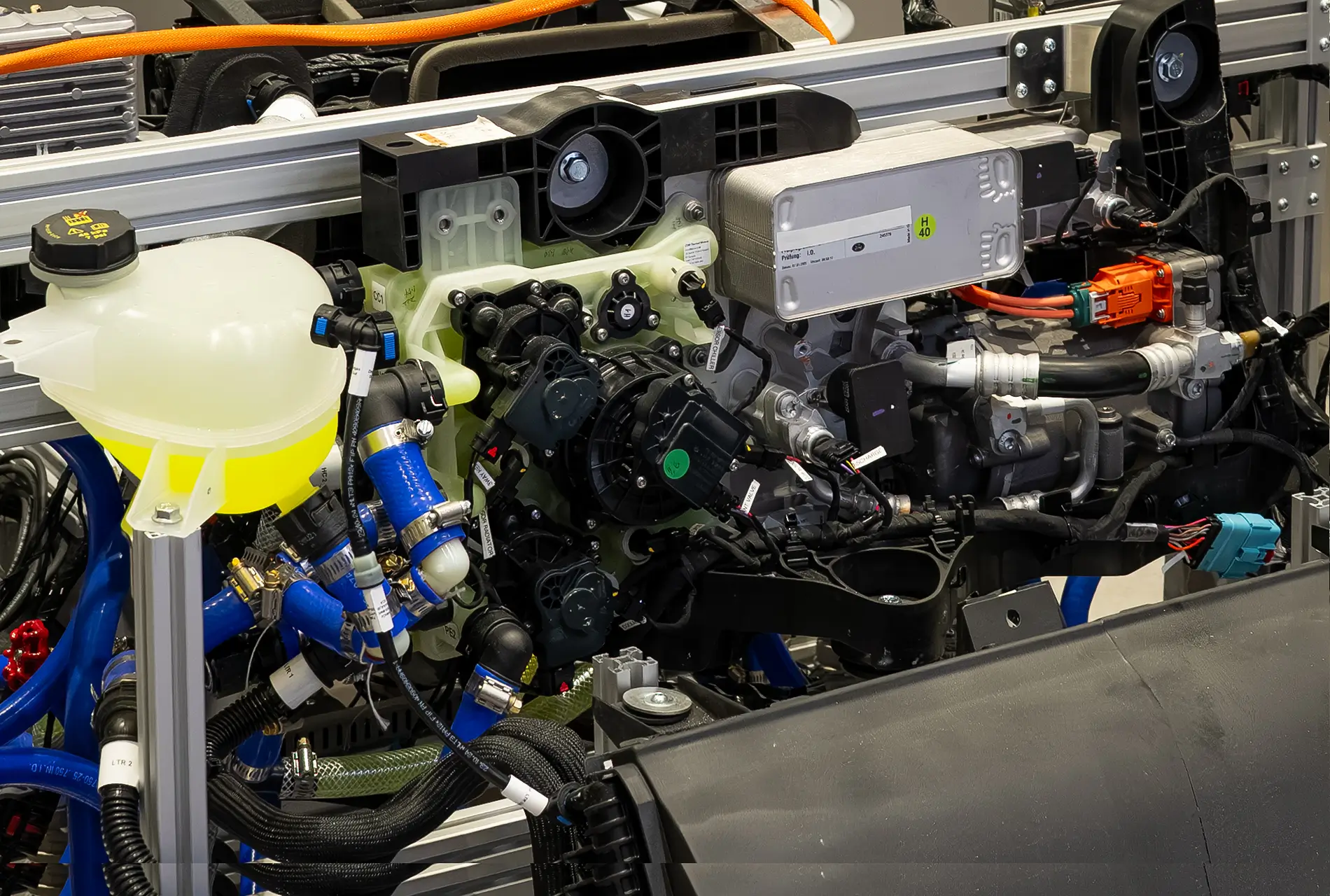
41:43 Thermal Lab: Heat Pumps & Zonal Architecture
46:34 The Lab Car: Testing the "Veins" of the Truck
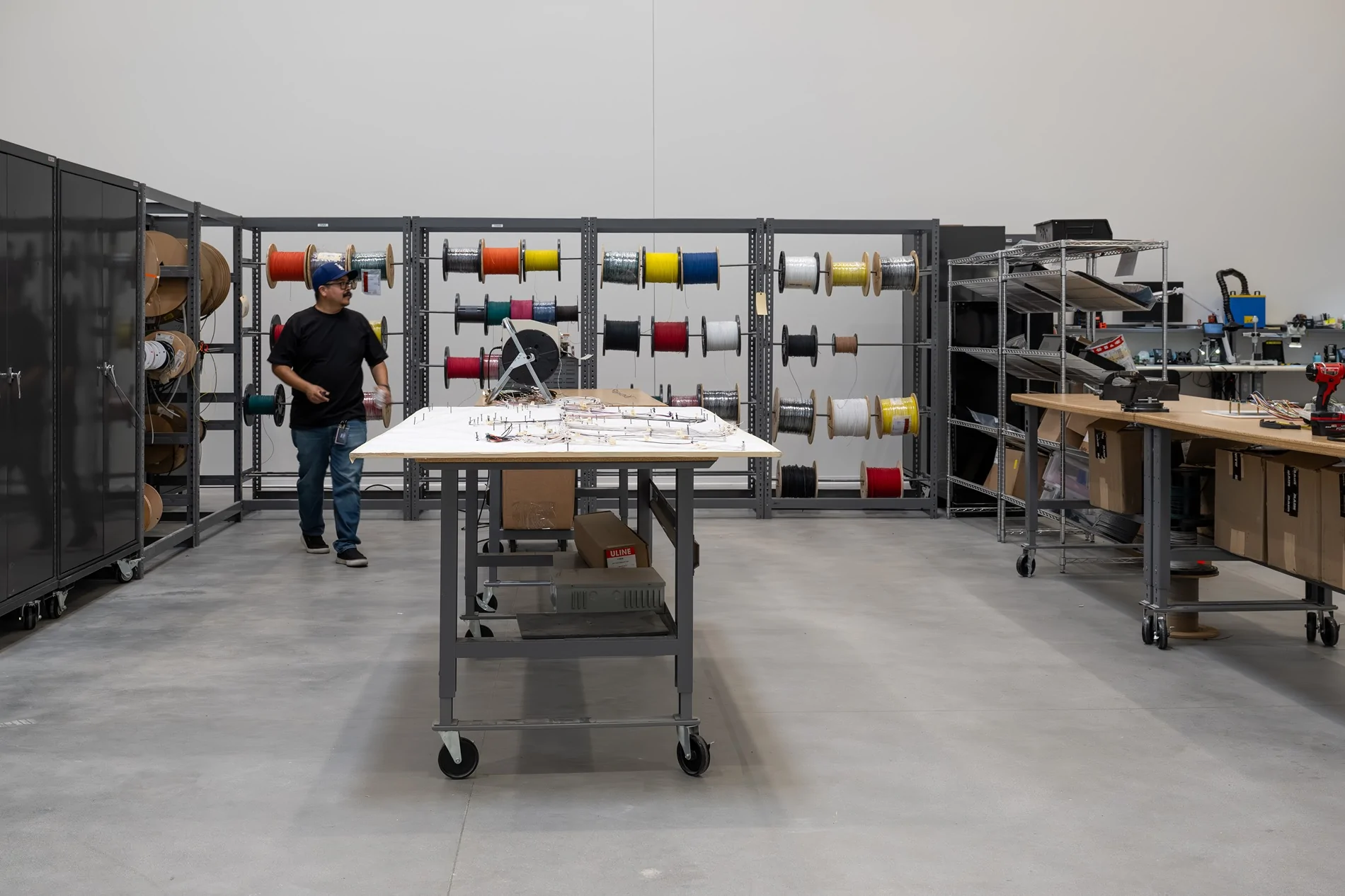
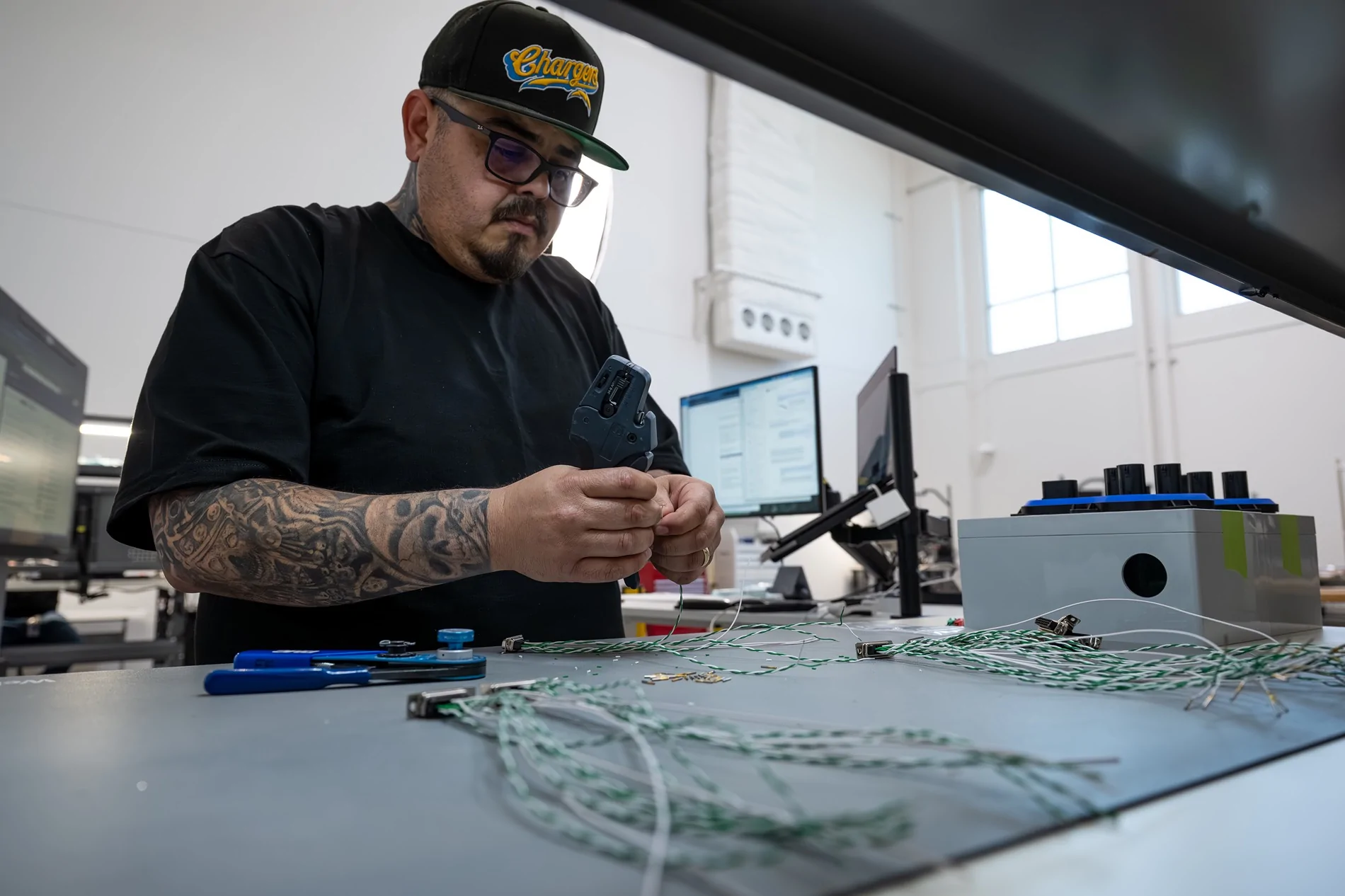
51:05 Harness Lab: Custom Wiring & Connectors
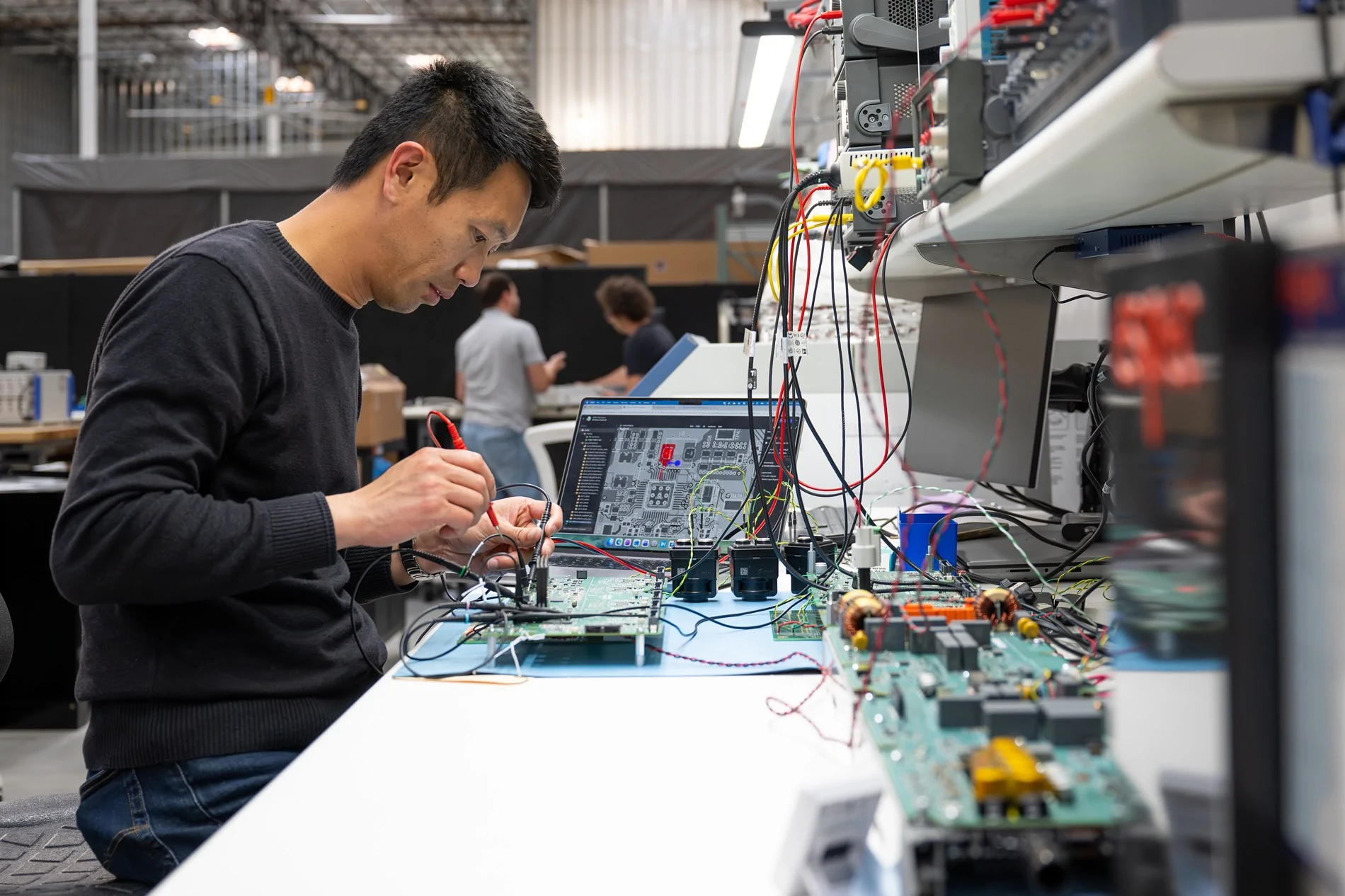
The Lab Car is a model construct of the full wiring harness and is used to test the components throughout the system. Here I was able to learn that 12v will be available for those systems that need it, as well as to power 12v and USB ports for accessories. However, rather than adding wiring to run a redundant 12v harness, each of the 4 component zones will have their own 48 to 12v step down circuits.
Appropriately, the harness lab is located next door to the Lab Car. When the lab car decides they want to change the wiring, the harness lab whips up a new one to test.
55:06 Fleet Center: Managing the Test Fleet
57:01 Sighting the $30k EV Truck: Our 3-Second First Look
Unfortunately, no photos or video of the Ranchero in the flesh. One “accidentally” drove into EVDC-2’s fleet center just as we walked outside on our way to go back to EVDC-1. Somehow the same accident occurred when the dealer group took their tour in the afternoon
 .
.It was a fleeting pass. However, in the few seconds it looked ranger-size and looked like it may have had a 5’ bed.
01:01:05 The Secret 3D-Printed Mini Truck Reveal
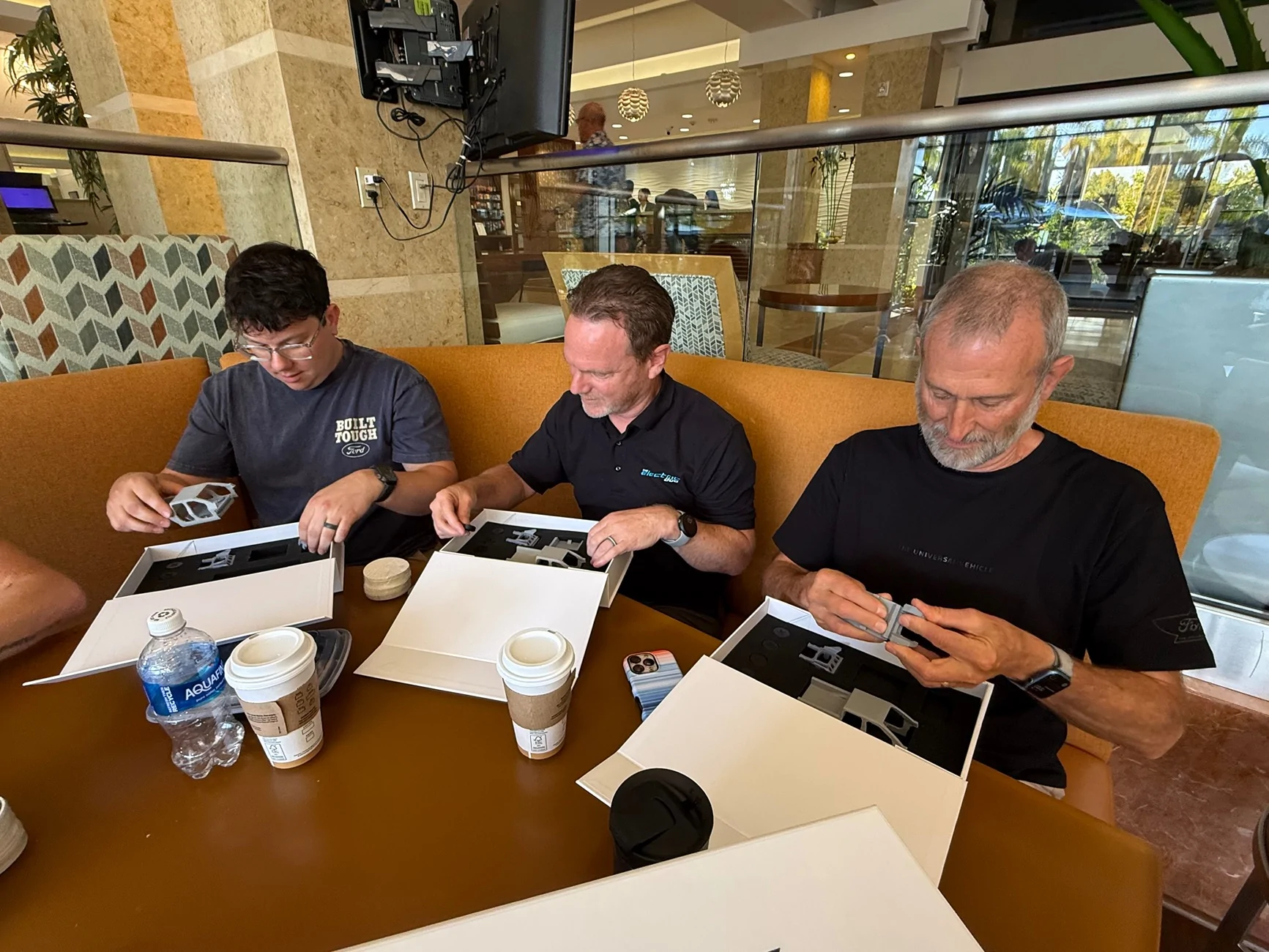
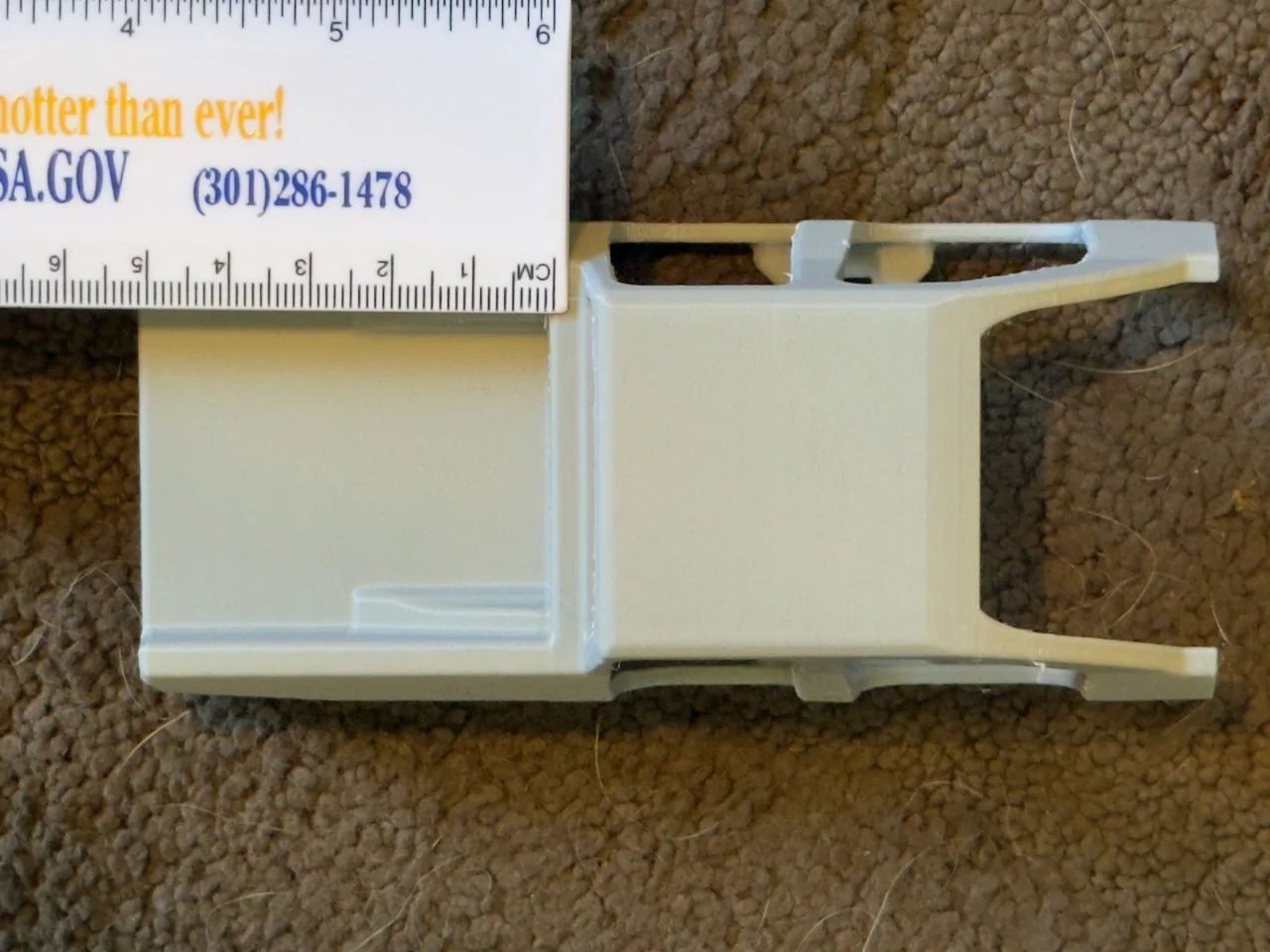
However, what we do have the ability to look at and examine were these great little 3D printed toys. Delivered to us after we had returned to the hotel, these were literally being printed on 3D printers as we toured the fabrication area.
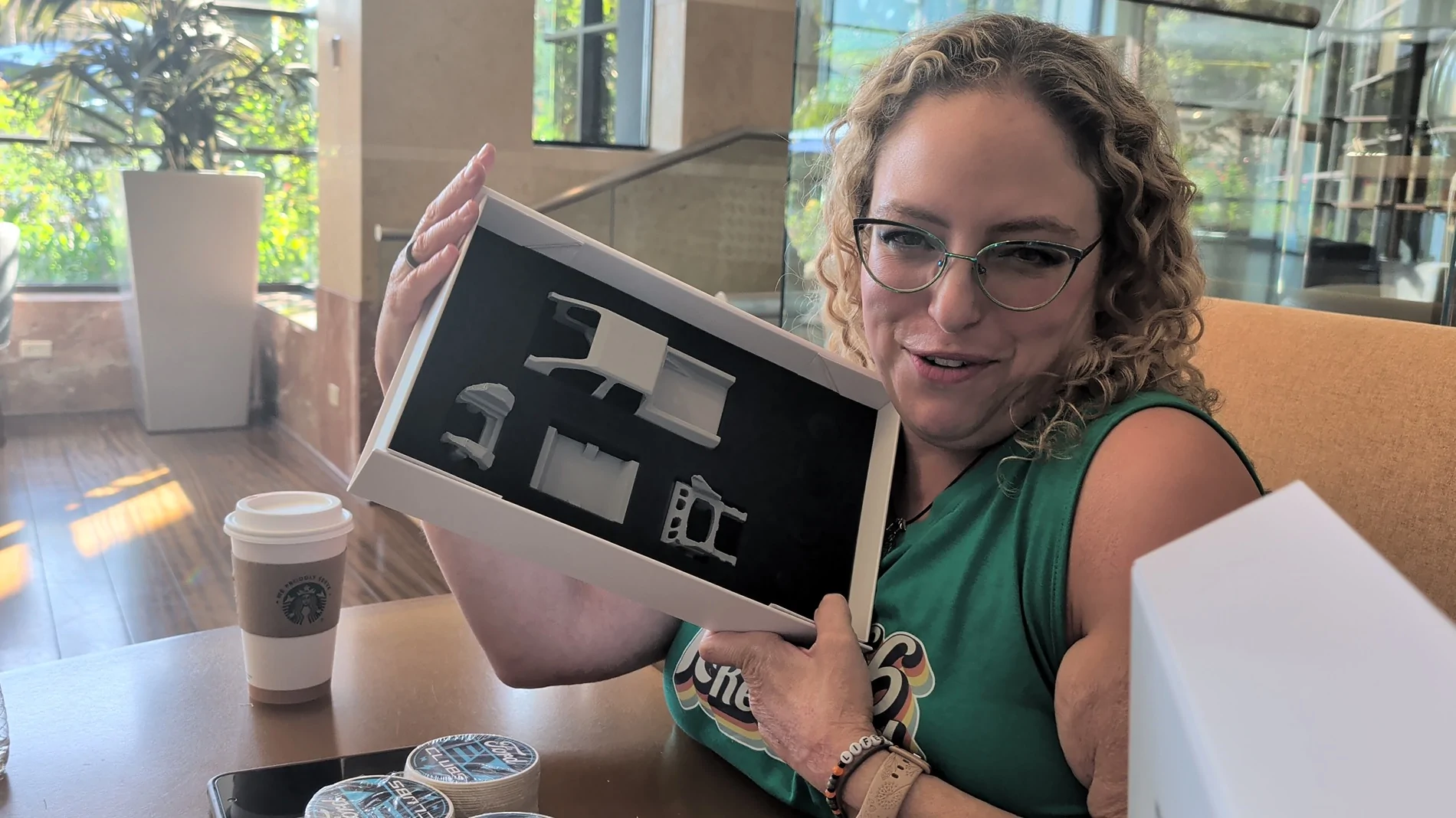
No guarantees were given that it was to scale, but my ruler shows that the bed is proportional to the body width and cab in ways that further confirm a 5’ bed and ranger-like cab size.
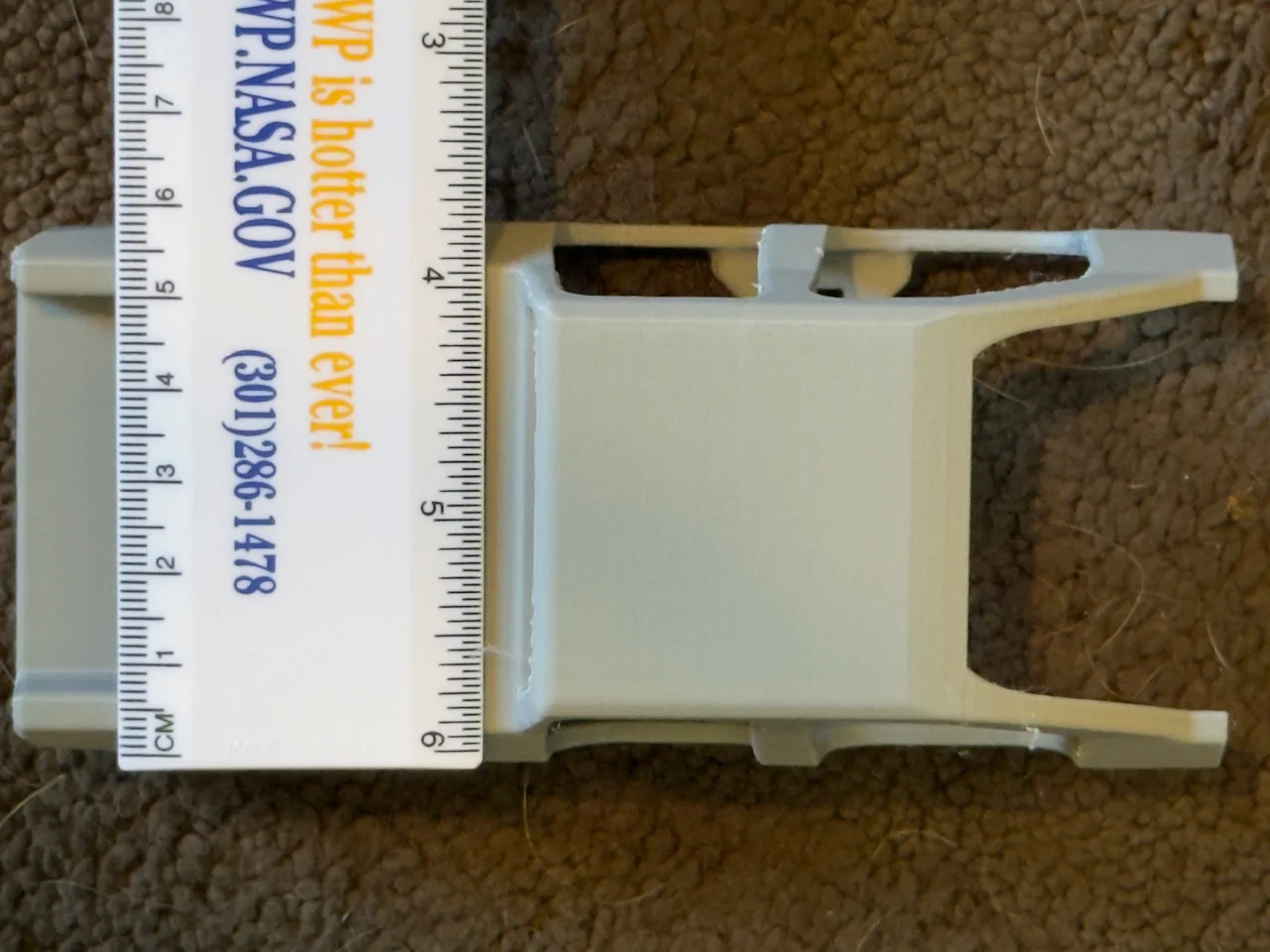
This agrees with images from Ford that we’ve seen over the last year suggest that indicate the “Ranchero” will be Ranger-size but most likely the cab roof will be more aerodynamic than either the model or Ford’s existing trucks.
Insert B-roll photo
01:03:39 Final Thoughts: Is Ford Truly Dedicated?
In our final discussion with Alan Clarke and Jolanta Coffey I was able to slip in two questions regarding things many of us have been concerned about.
Firstly, we’ve all just seen Ford’s reorganization. I’m sure I’m not the only one who was concerned that Ford’s new structure might be downgrading Ford’s EV efforts. Fortunately, Alan thought that the new structure places the UEVP into a better defined role in Ford. Rather than the EVDC being an anomaly off to the side of most of Ford’s vehicle production, the recent move elevates the UEVP work. The new Product Creation and Industrialization organization will now take changes in platforms and assembly methods developed in EVDC and apply them across Ford, not just within the EV silo.
Secondly, those of us who have been following Ford’s EV development through the Mach E and Lightning heard Ford say these would be software defined vehicles in which every component could be updated to continuously improve the vehicle’s performance and features long after purchase. Unfortunately, Ford found the reality of buying parts from hundreds of vendors, each with their separate software made the reality of building a truly software-defined vehicle an elusive goal. Unlike the Mach E, eTransit, and Lightning, the UEVP will be much more vertically integrated with in-house control over component design, component software and their integration. Alan thought carefully before responding to this one and he sees the work at EVDC really laying the groundwork to deliver fully integrated vehicles to their customers.
One thing was very clear throughout this tour. Ford is truly committed to developing EVs that will stand the test of time and deliver through long duty cycles in a platform that is as affordable and serviceable as possible. Ford is truly committed to their next generation of EVs.
@Mach-Lee filled in some gaps above with more on the technical tour stops along the way in his post below.
Last edited: